Facebook
 Linked In
 Twitter
 YouTube

Priya Singh
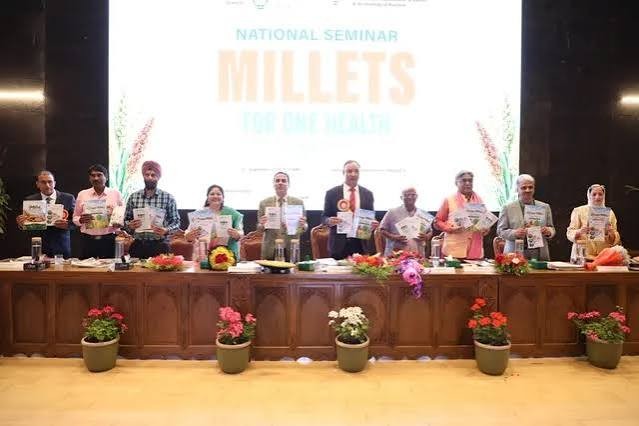
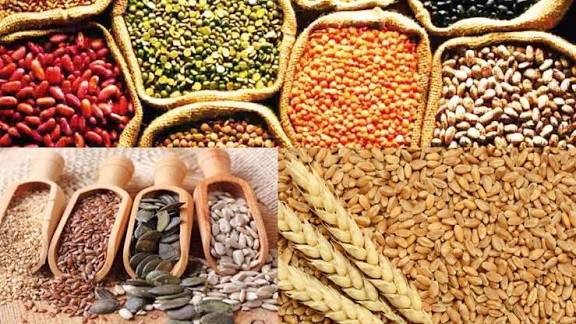
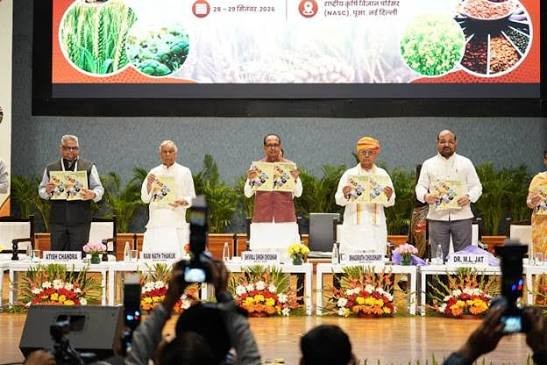
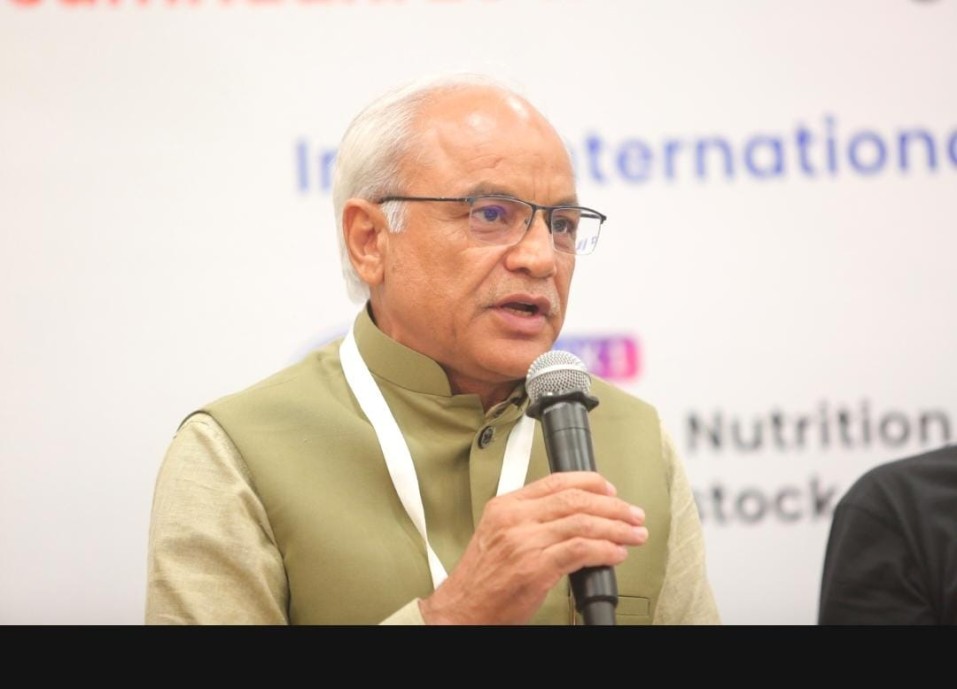
Srinagar: Millets are gaining attention in Jammu and Kashmir as a potential part of climate resilient agriculture, healthier diets and diversified rural livelihoods. These issues were discussed at a national seminar on “Millets for One Health: Building Healthy Ecosystems, Climate-Resilient Agriculture & Sustainable Food Systems” organised by Sher-e-Kashmir University of Agricultural Sciences and Technology of Kashmir (SKUAST-K) in collaboration with Sher-i-Kashmir Institute of Medical Sciences (SKIMS) and Kheti Virasat Mission.
Held at the Shalimar Convention Centre, the seminar brought together more than 750 participants, including around 350 farmers and Farmer Producer Organisation (FPO) members from different districts of Jammu and Kashmir. Scientists, doctors, faculty members, students, entrepreneurs and policymakers also participated in the discussions.
The discussions went beyond millet cultivation, covering the wider value chain from production and processing to food safety, value addition, branding and market access. For farmers and FPOs, the focus was on how millet based enterprises and better processing and marketing can create additional opportunities beyond primary production.
Padma Shri awardee Dr Khader Vali, who was the chief guest, highlighted the nutritional and ecological importance of traditional grains and called for greater awareness and consumption of millet based foods.
SKUAST-K Vice Chancellor Prof Nazir Ahmad Ganai stressed the need to connect agricultural research, education, extension and entrepreneurship to address emerging challenges in farming. He also highlighted the university's work in One Health, natural and organic farming and sustainable agriculture, while calling for greater use of biopesticides, bio-based technologies and Artificial Intelligence in agriculture.
The participation of SKIMS brought a health perspective to the discussions. Prof M Ashraf Ganie, Director, SKIMS, emphasised closer collaboration between agricultural and medical institutions to address food and health concerns. The seminar also discussed the importance of improving awareness about nutritious traditional foods and healthier dietary practices among younger generations.
Food safety and quality across the value chain were also discussed. J&K Food & Drug Administration Commissioner Khalid Jahangir highlighted the need for quality and safety measures covering production, processing and consumption.
From the farming perspective, discussions covered soil health, biodiversity, conservation of traditional agricultural knowledge and ecological farming. Farmers and FPO representatives also interacted with experts on cultivation, processing, food safety, value addition and market opportunities.
For Jammu and Kashmir, the larger opportunity lies in building a stronger millet value chain rather than limiting the crop to cultivation alone. Better processing, product development, packaging, branding and market connections can help farmers and rural entrepreneurs capture greater value from millet production.
The seminar also highlighted the importance of stronger links between scientific institutions and farming communities so that research and new technologies can translate into practical solutions at the farm level.
Overall, the discussions placed millets within a broader agricultural framework, linking crop diversification and climate resilience with nutrition, soil health, entrepreneurship and sustainable food systems in Jammu and Kashmir.


.png)