Facebook
 Linked In
 Twitter
 YouTube

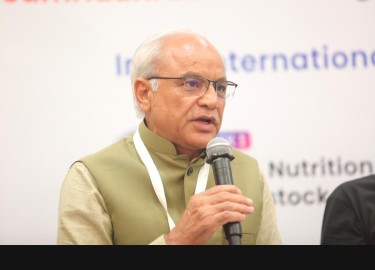
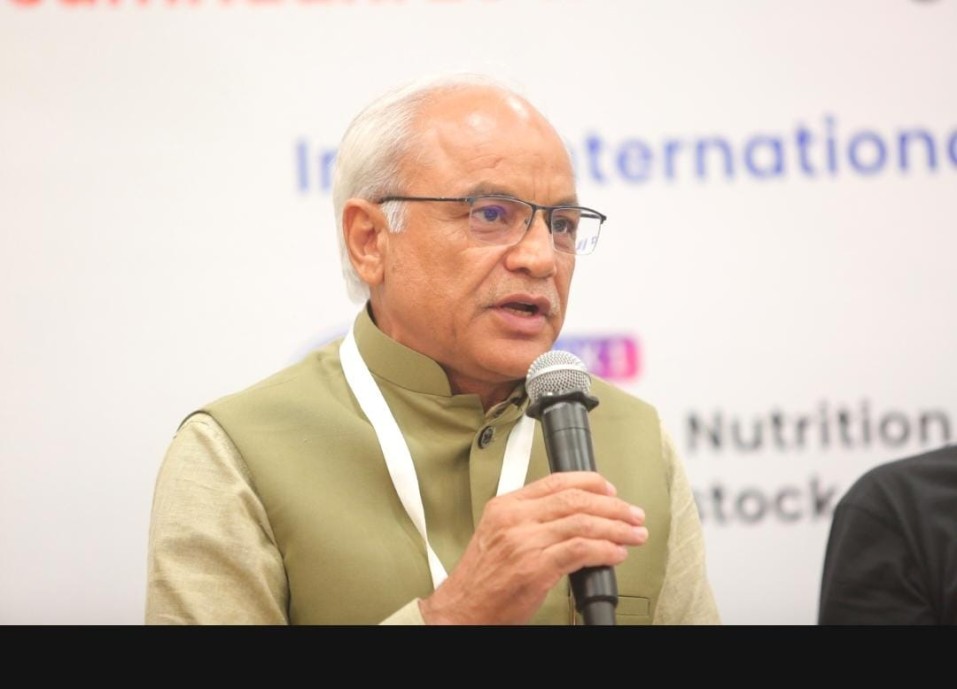
At a webinar, KRIBHCO highlights farmer outreach, free soil testing and balanced nutrient use alongside domestic production and supply security
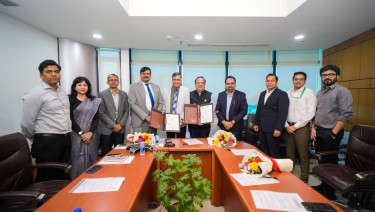
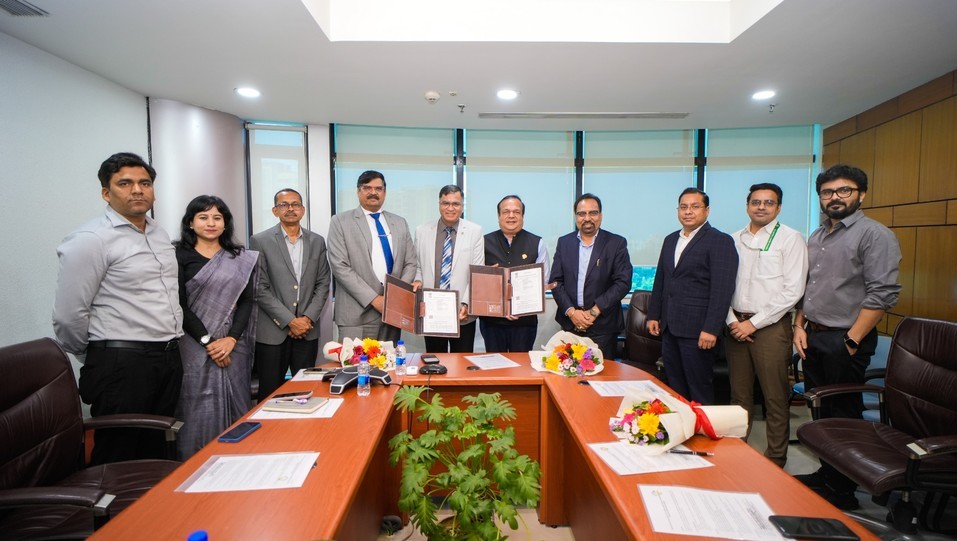
Coal India Limited (CIL) and HURL have signed an MoU to explore a coal gasification-based ammonia-urea plant at Sindri, Jharkhand. The initiative aims to utilise domestic coal as an alternative feedstock for fertiliser p...
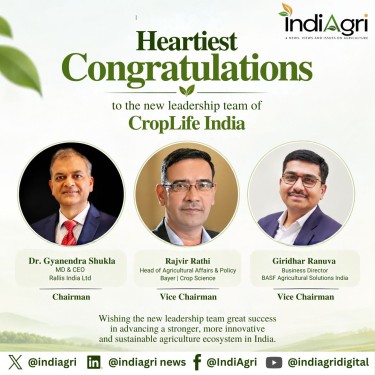
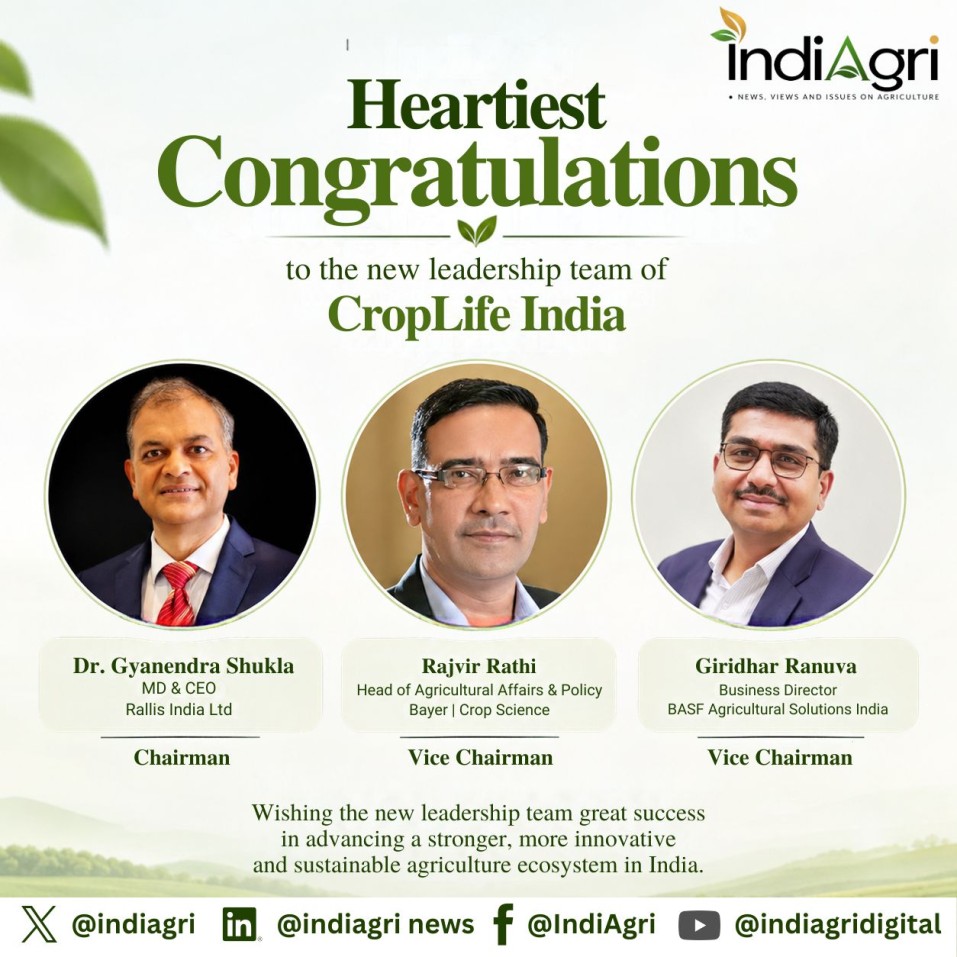
Dr. Gyanendra Shukla has been appointed Chairman of CropLife India, with Bayer’s Rajvir Rathi and BASF’s Giridhar Ranuva joining as Vice Chairmen, bringing new industry leadership focused on innovation and sustainable cr...
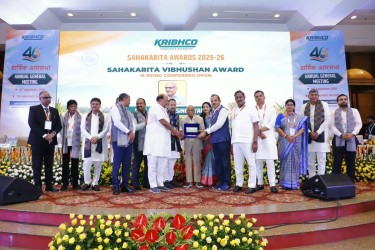
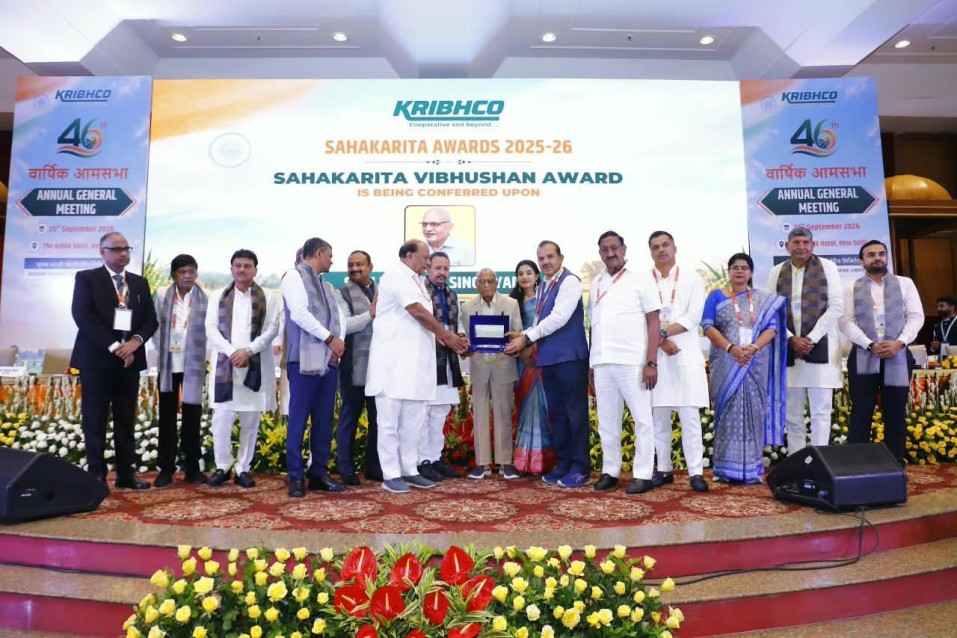
KRIBHCO reported a pre tax profit of Rs 824.68 crore for FY 2025 26 and declared a 20% dividend at its 46th AGM in New Delhi. The cooperative also recorded strong urea production and expanded its agri business and produc...
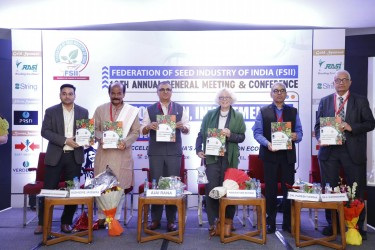
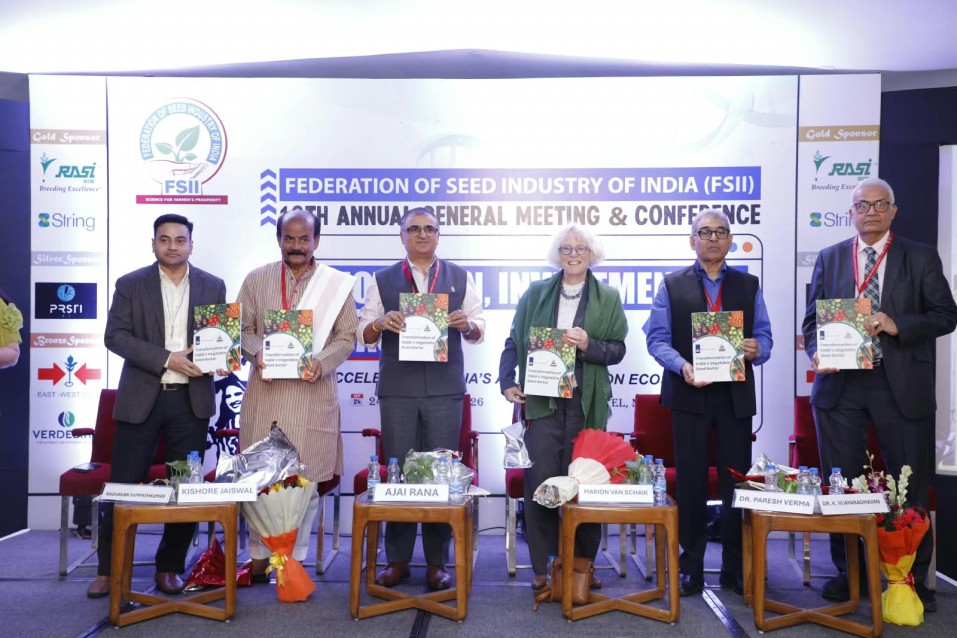
Industry seeks a single national framework, faster approvals and stronger IP protection to boost innovation in oilseeds and pulses
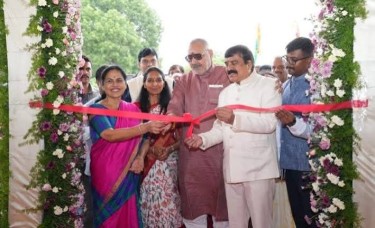
India targets 60,000 metric tonnes of silk production by 2030-31 and aims to become the world’s No. 1 silk producer by 2028-29, with a focus on farmer incomes, improved hybrids and technology.
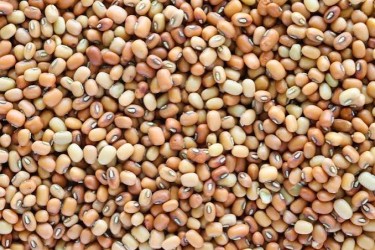
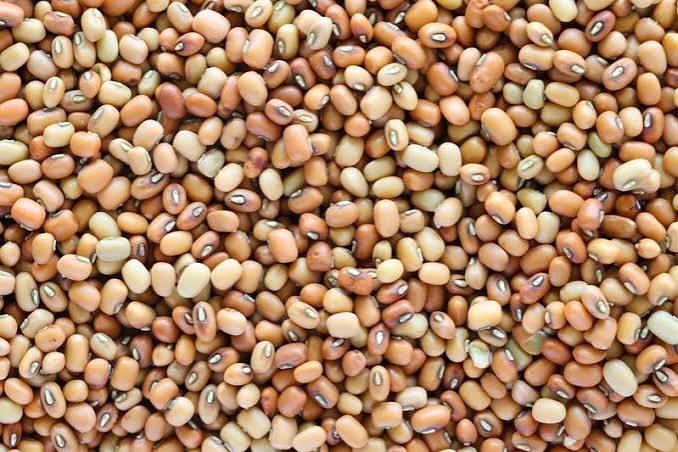
CAZRI’s four new moth bean varieties have maintained growth and pod development through a 35-day dry spell in Kharif 2026, highlighting their potential for climate-resilient pulse cultivation in western Rajasthan.
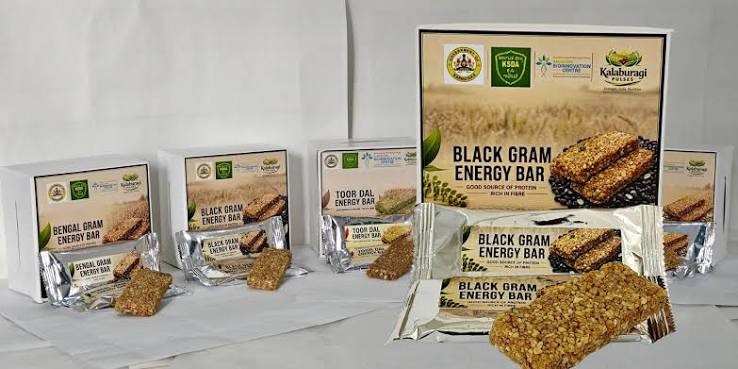
Kalaburagi pulses are getting a value-added push as the Bangalore Bioinnovation Centre develops energy bars using locally grown toor dal, black gram, green gram and Bengal gram.
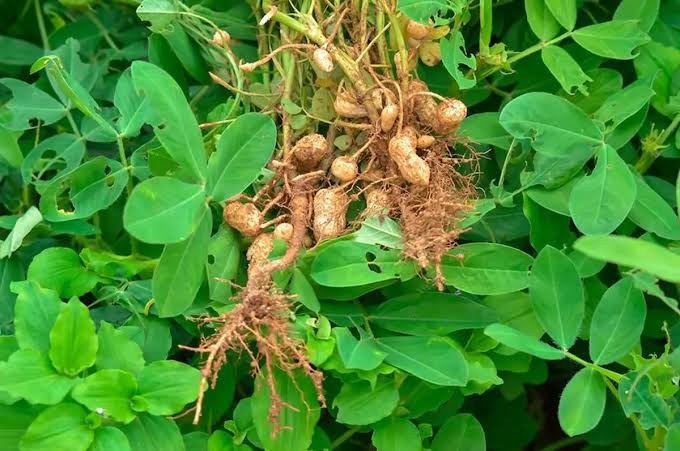
Farmers in Rajasthan’s Jhalawar district are expecting better soybean and groundnut yields this kharif season, supported by improved farming practices, timely rainfall and scientific crop management.

Department of Fertilizers begins Swachhata Pakhwada-2026 from September 1 to 15, focusing on cleanliness, environmental protection, digital cleanliness and a clean workplace culture.