Facebook
 Linked In
 Twitter
 YouTube

Priya Singh
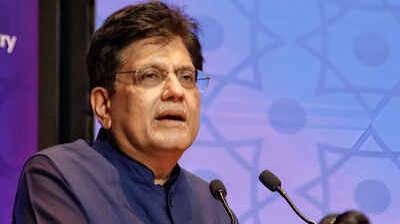
New Delhi: India will not open its dairy sector under free trade agreements (FTAs) or allow imports of genetically modified (GM) products, Commerce and Industry Minister Piyush Goyal has said, reiterating the government's position on protecting sensitive agricultural sectors and domestic producers.
Addressing students at Kirori Mal College in Delhi on Tuesday, Goyal said India had never opened its dairy sector to any trading partner and would maintain its position in future trade negotiations. He described dairy and GM products as sensitive issues, adding that India had consistently protected the interests of farmers, fishermen and micro, small and medium enterprises (MSMEs) in its trade agreements.
“We are very sensitive to opening our dairy. In fact, till date, we have never opened up dairy for anybody,” Goyal said.
He also reiterated that India had never permitted imports of GM products and would not allow them in the future.
“We are very sensitive not to allow any GM products to come to India and we have never allowed it and we'll never allow it in the future,” he said.
The minister also referred to religious sensitivities associated with dairy products manufactured in some foreign countries. He said calf meat or rennet is often used in the production of dairy products overseas and stressed that such products must meet India's certification requirements.
Rennet is an enzyme used in cheese-making and is traditionally obtained from the stomach lining of young calves.
Goyal said strict certification was necessary to ensure that religious sentiments of large sections of India's population were not hurt.
The issue has also featured in discussions around India's trade negotiations with the United States, which has raised concerns over certain Indian requirements for dairy imports.
While emphasising the need to protect sensitive domestic sectors, Goyal said India's trade negotiations also aimed to create new market opportunities and employment.
He said India seeks preferential market access for sectors where it has competitive strengths, including textiles, pharmaceuticals, agricultural products, and gems and jewellery.
The objective, he said, is to secure lower duties for Indian goods compared with competing countries such as Indonesia, Malaysia, Vietnam, China and the Philippines.
Goyal said India wanted to create opportunities for domestic producers, farmers and MSMEs to benefit from greater access to international markets.
Highlighting the country's export performance, Goyal said India is targeting USD 1 trillion worth of goods and services exports in 2026–27.
During April–September 2026, India's exports reached approximately USD 480 billion, registering an increase of around 14% year-on-year.
To achieve the annual target, the country needs another USD 520 billion in exports during the remaining six months of the financial year.
The minister expressed confidence in the country's export performance and said October had recorded very good export numbers. The official trade data for October will be released in mid-November.
On employment, Goyal said the government was promoting domestic manufacturing and working to create more opportunities for regular employment.
He also encouraged students to consider entrepreneurship and startups, noting that the changing business environment was creating new opportunities for those looking to establish their own ventures.
Responding to a question on China's export controls on tunnel boring machines, the minister said India would work towards domestic manufacturing if supplies of these machines were affected. He added that the country had not approached the issue with a begging bowl when access to rare earth materials was restricted.
Goyal also said India was working with aircraft manufacturers Embraer, Airbus and Boeing to increase aircraft availability in the country, which would also support tourism.

.jpg)



.png)