Facebook
 Linked In
 Twitter
 YouTube

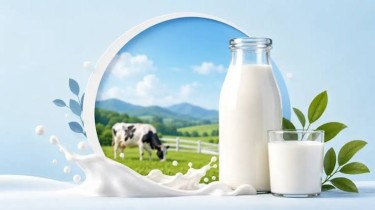
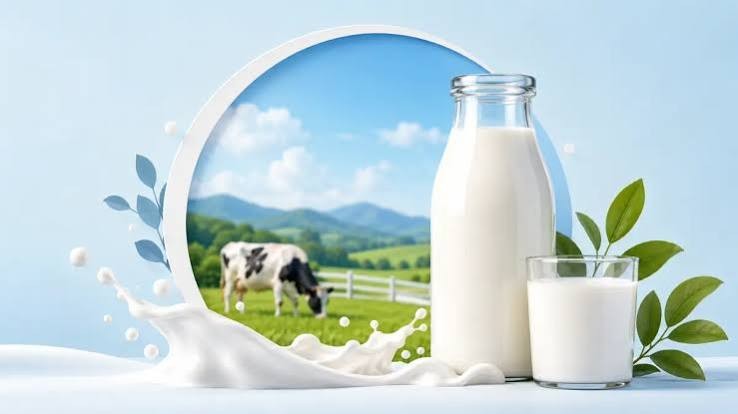
India remains the world's largest milk producer, with output reaching 247.87 million tonnes in 2024-25. On National Milk Day 2026, the focus is on dairy cooperatives, farmer livelihoods, women’s participation and the ini...
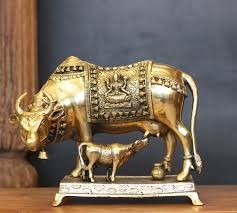
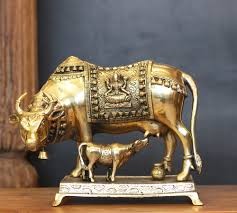
FAO has accepted India's Kamadhenu sculpture for its permanent collection at FAO MuNe in Rome, highlighting the country's rich agricultural heritage, dairy traditions and the cultural significance of livestock in rural l...
.jpg)
CLFMA of India has elected Sumit Sureka as chairman for 2026–2028. Maize and soya availability, technology adoption and the proposed Vision 2040 for Animal Food are among the key priorities.
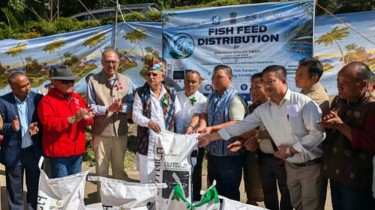
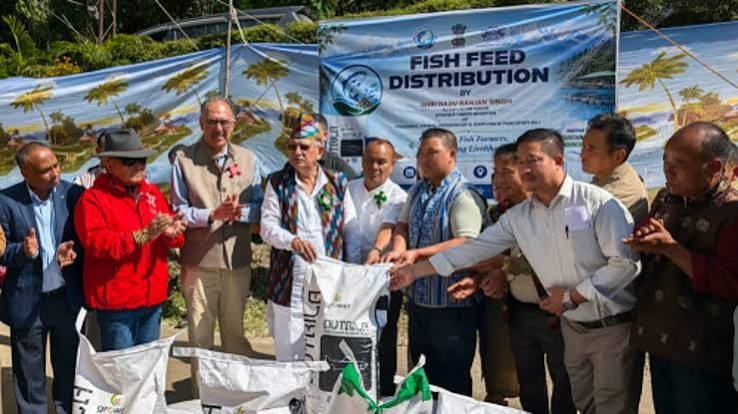
Sikkim’s Soreng district has become India’s first notified organic fisheries cluster under PMMSY. The initiative aims to promote certified organic fish production, strengthen market access and support sustainable fisheri...
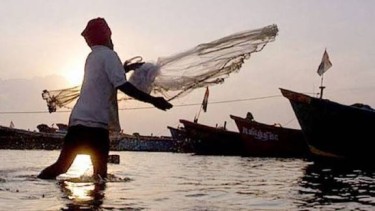
India’s fisheries sector is expanding beyond production, with growing emphasis on value-added seafood, cold chains, mobile fish marketing, technology and producer-led enterprises.
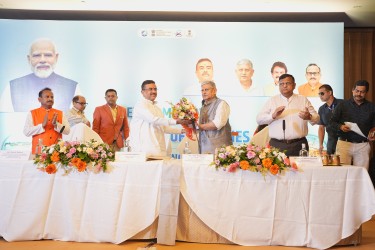
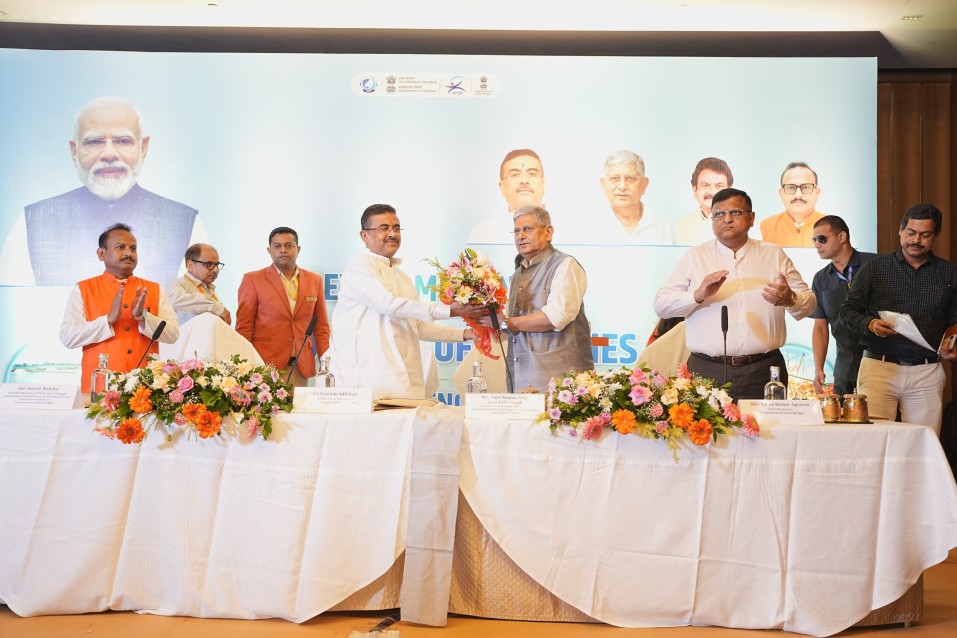
West Bengal plans to strengthen its fisheries and aquaculture sector through reservoir development, modern technologies, better infrastructure, export promotion and stronger support for fishers and fish farmers.
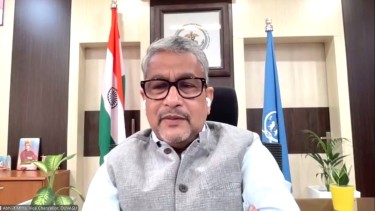
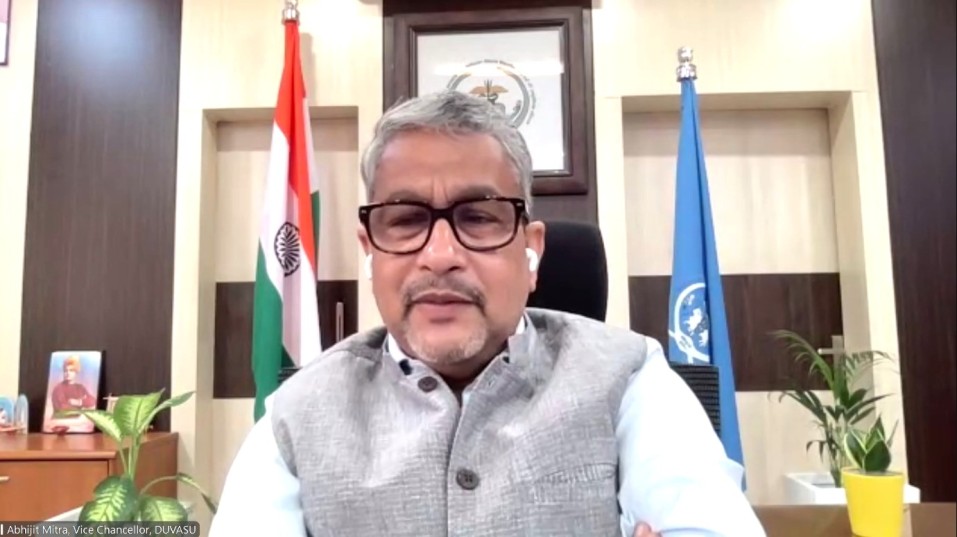
Prof. Abhijit Mitra discusses the future of India’s livestock sector, highlighting farmer net income, animal productivity, lifetime performance, genomics and better veterinary services.
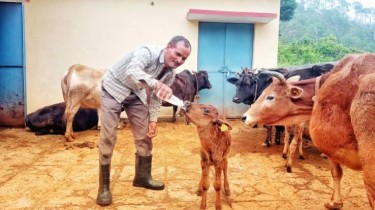
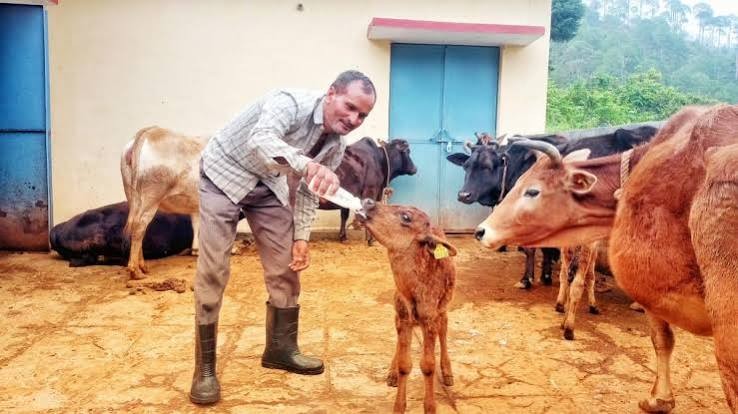
A healthy Badri female calf born through OPU-IVF technology in Uttarakhand marks a major step towards faster multiplication, conservation and genetic improvement of the State’s indigenous cattle breed.
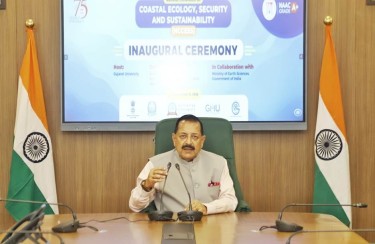
India is pushing for an integrated approach to its coastline, balancing fisheries, marine ecosystems, coastal security, technology and the livelihoods of coastal communities.
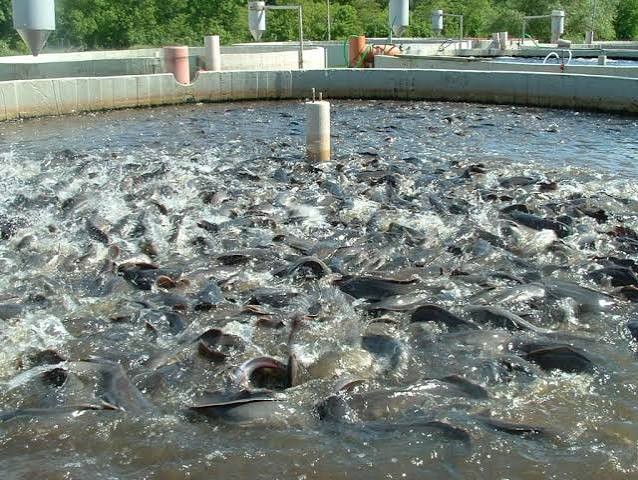
India is expanding technology-driven aquaculture, with RAS and Biofloc systems supporting resource-efficient fish farming, high-value production and seafood export opportunities.




.jpg)