Facebook
 Linked In
 Twitter
 YouTube

Priya Singh
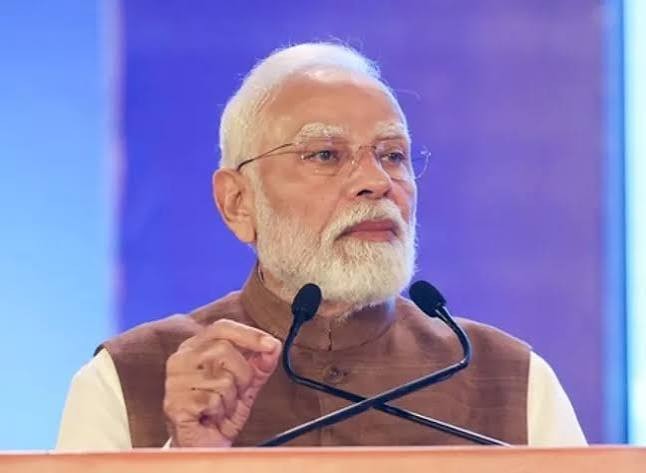
New Delhi: Prime Minister Narendra Modi will release the 24th instalment of the Pradhan Mantri Kisan Samman Nidhi (PM-KISAN) at Banaskantha, Gujarat, on October 30, with more than ₹18,690 crore set to be transferred directly to the bank accounts of over 9.34 crore farmers across the country.
The announcement was made by the Ministry of Agriculture and Farmers Welfare on October 29. The instalment is part of the government’s income support programme for eligible farmer families.
Alongside the PM-KISAN disbursement, the Prime Minister will dedicate 521 units developed under the Agriculture Infrastructure Fund (AIF) to the nation and inaugurate 12 horticulture clusters aimed at promoting high-value crops and improving income opportunities for farmers.
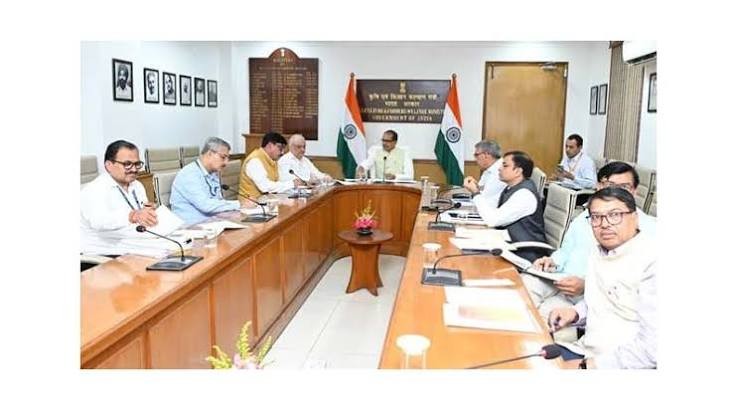
Union Agriculture and Farmers Welfare Minister Shivraj Singh Chouhan will participate in a programme marking the release of the instalment at Raisen, Madhya Pradesh.
Through the first 23 instalments of PM-KISAN, the government has disbursed more than ₹4.47 lakh crore to eligible farmers.
The scheme provides eligible farmer families with annual financial assistance of ₹6,000 in three equal instalments through Direct Benefit Transfer (DBT). The assistance is intended to help farmers meet agricultural input costs and household expenses.
The latest instalment will extend this support to more than 9.34 crore farmers, according to the ministry.
The 521 units developed under the Agriculture Infrastructure Fund are intended to strengthen agricultural storage, processing and related infrastructure.
The AIF supports investment in warehouses, cold storage facilities, primary processing centres and other post-harvest infrastructure. These facilities can help reduce post-harvest losses, improve storage capacity and strengthen farmers’ access to markets.
According to the government, investments of approximately ₹1.75 lakh crore have been made across more than 2.28 lakh projects under the fund.
Improved storage and processing infrastructure is expected to support better management of agricultural produce and create opportunities for farmers to improve returns through more efficient post-harvest handling.
The inauguration of 12 horticulture clusters is another key component of the programme. The initiative aims to encourage the production and marketing of high-value horticultural crops and strengthen links across the horticulture value chain.
Crop diversification towards horticulture can offer farmers additional income opportunities, although returns depend on factors such as market access, production costs, storage, transportation and price fluctuations.
Developing clusters can help organise production and marketing while improving access to infrastructure and other support services.
The government is continuing to promote a range of initiatives aimed at strengthening farm incomes, improving access to credit and insurance, encouraging sustainable practices and supporting agricultural diversification.
These include the Pradhan Mantri Fasal Bima Yojana, Kisan Credit Card, Minimum Support Price measures and the Per Drop More Crop programme. Other initiatives include the National Mission on Edible Oils, the Mission for Aatmanirbharta in Pulses and the National Mission on Natural Farming.
Together, these programmes address different aspects of agricultural development, from financial assistance and risk management to resource efficiency and crop diversification.
The PM-KISAN instalment provides direct financial support to farmers, while the infrastructure and horticulture initiatives focus on strengthening the systems that connect agricultural production with storage, processing and markets.
The effectiveness of these measures will depend on their implementation and their ability to translate public investment into improved market access, lower post-harvest losses and more sustainable returns for farmers.







.png)