 Facebook
 Linked In
 Twitter
 YouTube

IndiAgri Bureau
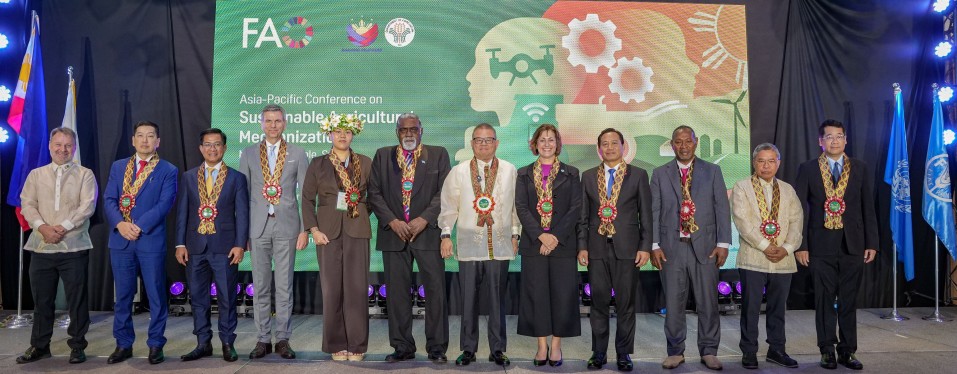
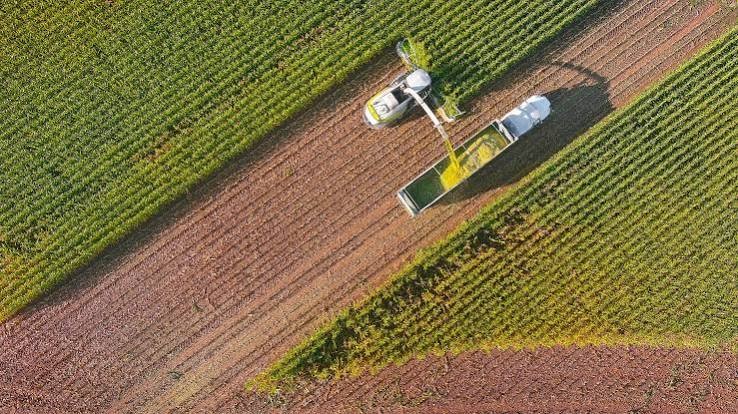
Manila: Agricultural mechanisation is emerging as an important tool to strengthen farm productivity and food security across Asia and the Pacific. However, making modern machinery accessible to farmers, particularly smallholders, women and rural youth, will require more than technological upgrades. Affordable equipment, access to finance, skilled operators, reliable service networks and supportive policies will be equally important.
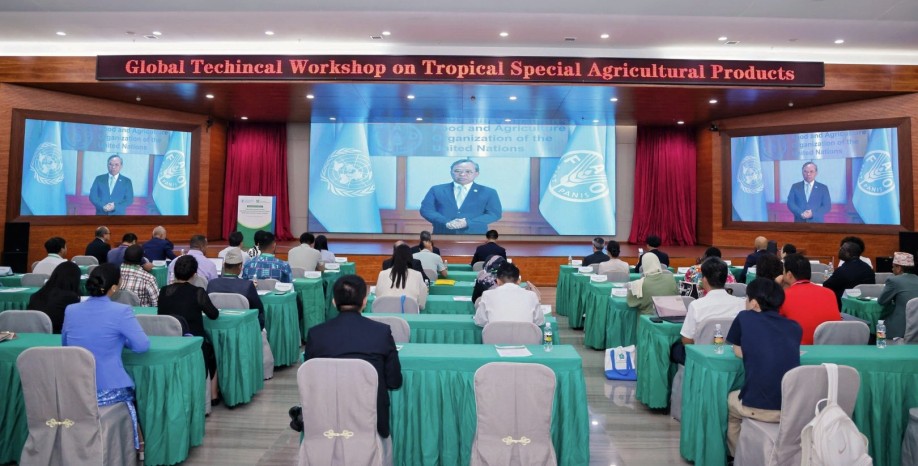
These issues are at the centre of the Asia-Pacific Conference on Sustainable Agricultural Mechanization (APSAM) 2026, which opened in Manila on November 23 under the theme 'Modernize. Scale. Sustain.' Hosted by the Government of the Philippines through its Department of Agriculture and organised by the Food and Agriculture Organization of the United Nations (FAO), the three-day conference will continue until November 25.
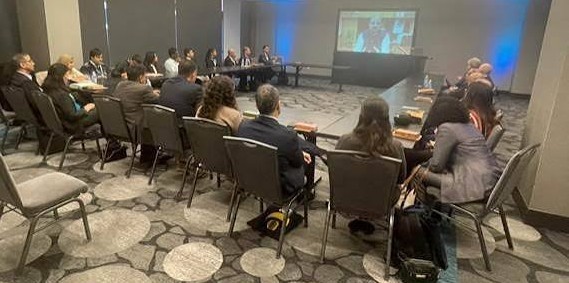
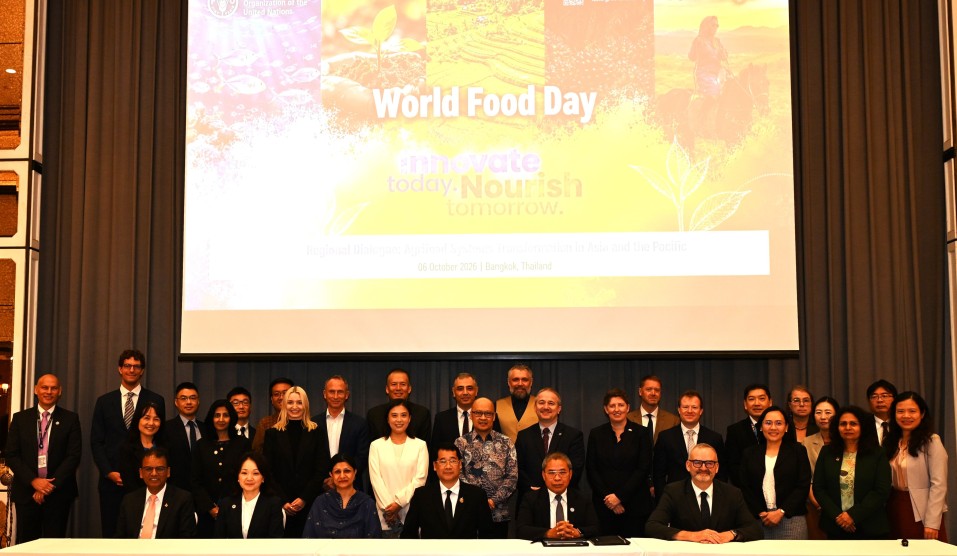
The conference has brought together ministers, policymakers, researchers, development partners, farmers' organisations and private-sector representatives to discuss ways to expand sustainable mechanisation across the region.
Asia and the Pacific account for more than half of global agricultural production. However, the region's farming systems face growing pressure from climate-related risks, resource constraints and shortages of rural labour.
These challenges are expected to intensify with the impact of a strong El Niño, which is anticipated to continue through the first half of 2027, bringing the possibility of drought and changing rainfall patterns.
FAO Deputy Director-General Beth Bechdol said these conditions could put further pressure on agricultural yields and farmers' incomes, making it increasingly difficult for cultivators to recover production costs.
She also underlined the importance of smart farming and greater participation of women and young people in agriculture. Women and rural youth, she noted, can take up machinery operation, repair services and local agricultural enterprises, provided they have access to the necessary opportunities and support.
A key message emerging from the conference is that agricultural modernisation cannot be measured simply by the number of machines deployed.
Philippine Department of Agriculture Secretary Francisco Tiu Laurel Jr. said sustainable mechanisation depends on a broader ecosystem that includes enabling policies, access to finance, innovation, skills development, entrepreneurship, service networks and effective partnerships.
He cautioned that expensive machinery, a lack of spare parts and inadequate training can limit the benefits of mechanisation. A tractor that farmers cannot afford or a harvester that cannot be maintained may do little to improve productivity.
The focus, he emphasised, must be on making modernisation practical, accessible and responsive to farmers' actual requirements.
This is particularly important for smallholder farmers, who often face financial and operational barriers to adopting modern equipment.
Over the three days, APSAM 2026 will provide a platform for participating countries to exchange experiences and showcase developments in agricultural technology.
Discussions are expected to cover precision agriculture, digital tools, automation, climate-resilient technologies and innovative machinery service models.
The conference will also examine ways to create an enabling environment for investment and partnerships that can help take successful mechanisation solutions to a larger number of farmers.
FAO Assistant Director-General and Regional Representative for Asia and the Pacific Alue Dohong said sustainable mechanisation should support inclusive rural transformation rather than deepen existing inequalities.
He called for regional cooperation to modernise agriculture, expand inclusive solutions and strengthen food security across Asia and the Pacific.
Building on earlier global and regional discussions, APSAM 2026 aims to move towards practical collaboration and identify actions that can accelerate sustainable agricultural mechanisation.
The discussions underline an important distinction: access to machinery alone does not guarantee better farm outcomes. Farmers also need affordable financing, technical knowledge, repair facilities and local service providers to make mechanisation viable.
For a region that contributes more than half of global agricultural production, ensuring that these benefits reach smaller and more vulnerable farming communities will be central to building efficient, climate-resilient and inclusive agrifood systems.
The broader challenge is to ensure that agricultural technology reaches the last mile and becomes a practical resource for farmers, rather than remaining beyond their reach.

.jpg)

.jpeg)
.jpg)
.jpg)