Facebook
 Linked In
 Twitter
 YouTube

IndiAgri Bureau
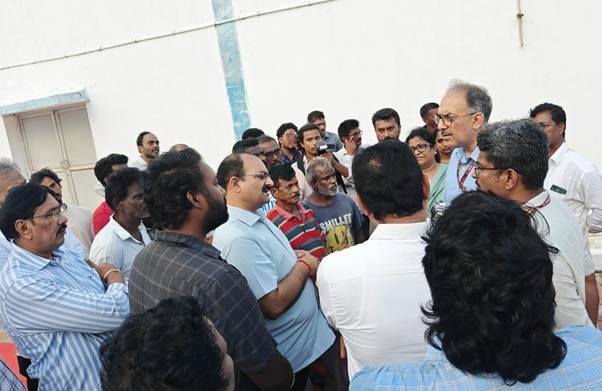
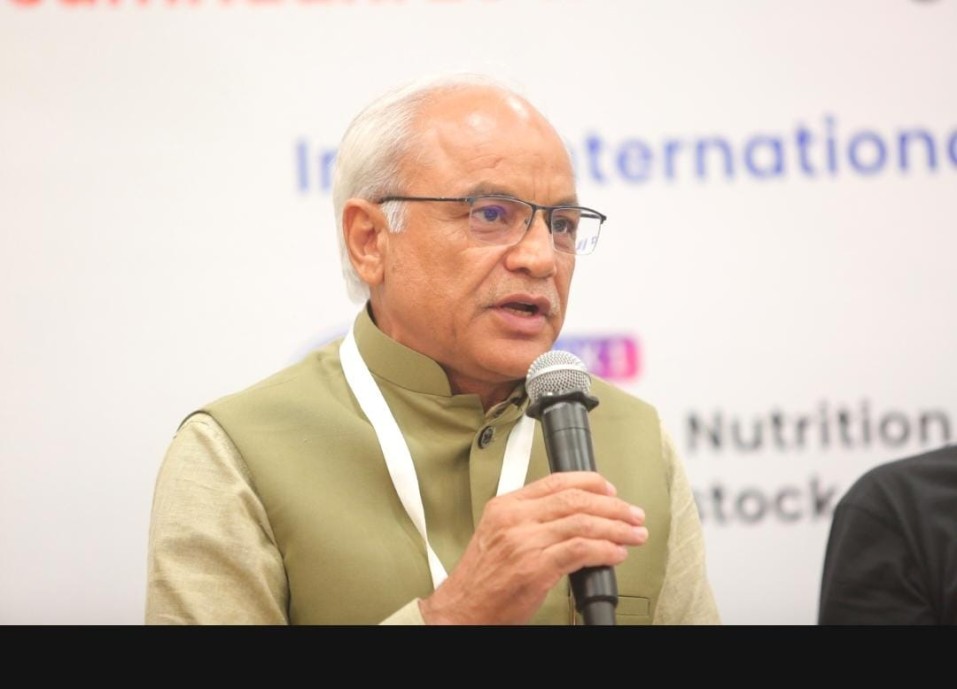
Visakhapatnam: Union Fisheries Secretary Dr. Abhilaksh Likhi on Thursday reviewed key aquaculture infrastructure and broodstock development initiatives during his visit to the MPEDA-RCCA Brood Multiplication Centre and the ICAR-CMFRI Marine Fish Broodstock and Hatchery facility in Visakhapatnam, Andhra Pradesh.
The visit focused on strengthening India's efforts to produce high-quality broodstock and seed for the aquaculture sector, particularly for shrimp farming, which remains one of the country's most important seafood export segments.
During interactions with scientists, technical experts, farmers and facility staff, Dr. Likhi assessed ongoing research and operational activities related to broodstock development. Stakeholders highlighted several challenges affecting the sector, including weak market linkages, rising input costs, high electricity expenses and the need for greater training and capacity-building support.
Responding to these concerns, the Secretary directed officials of the Department of Fisheries to coordinate with the National Fisheries Development Board (NFDB) and the Andhra Pradesh government to organize training and capacity-building programmes for farmers and industry stakeholders.
A major highlight of the visit was the review of the Brood Multiplication Centre dedicated to producing Specific Pathogen Free (SPF) Penaeus monodon, commonly known as black tiger shrimp. The facility is expected to play a significant role in reducing India's dependence on imported broodstock while improving biosecurity, productivity and sustainability in shrimp farming operations.
The visit comes at a time when India's marine exports have reached a record ₹73,890.46 crore (USD 8.45 billion) during 2025-26, with export volumes touching 19.72 lakh metric tonnes. Officials noted that growing international demand for Indian seafood, combined with improvements in seed quality, traceability systems and aquaculture infrastructure, has contributed significantly to the sector's performance.
The Marine Products Export Development Authority (MPEDA) has been instrumental in supporting the industry through broodstock and seed development, certification systems, infrastructure creation and farmer outreach programmes. These initiatives have strengthened the seafood value chain and enhanced India's competitiveness in global markets.
Andhra Pradesh continues to lead the country in fisheries and aquaculture production, recording an output of 55.39 lakh tonnes in 2025-26. The state has also emerged as India's largest seafood-exporting state due to its extensive coastline, established aquaculture ecosystem and strong processing infrastructure.
Under the Pradhan Mantri Matsya Sampada Yojana (PMMSY), Andhra Pradesh has received approvals for projects worth ₹2,324.17 crore. Major infrastructure projects include six Integrated Fish Landing Centres, three Fishing Harbours and an Integrated Aqua Park in Bapatla. Together, these projects represent investments exceeding ₹1,350 crore and are aimed at modernising fisheries infrastructure and boosting value addition.
In addition, nine projects worth ₹259.28 crore have been approved in the state under the Fisheries and Aquaculture Infrastructure Development Fund (FIDF). More than four lakh beneficiaries in Andhra Pradesh have also received support under PMMSY initiatives.
The ICAR-CMFRI Regional Centre in Visakhapatnam serves as a key marine fisheries research hub, undertaking work in mariculture, biodiversity conservation, stock assessment and sustainable aquaculture technologies. Equipped with advanced hatchery systems, cage farming facilities and live-feed laboratories, the centre plays a crucial role in developing breeding and seed production technologies for commercially important marine species.
Officials said the Secretary's visit provided strategic guidance for ongoing efforts to improve broodstock quality, promote species diversification and enhance India's self-reliance in aquaculture, while supporting the long-term growth of the country's fisheries exports.


.png)