Facebook
 Linked In
 Twitter
 YouTube

IndiAgri Bureau
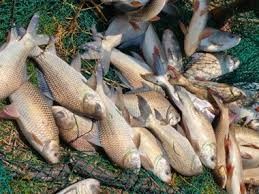
Merces, Goa: An experimental aquaculture trial conducted in Goa's traditional Khazan lands has delivered promising results, demonstrating the potential of scientific fish farming as a sustainable livelihood option for coastal communities grappling with declining agricultural productivity.
The initiative, supported by the National Bank for Agriculture and Rural Development (NABARD), was undertaken in Merces village by researchers working on strategies to revive the state's unique Khazan ecosystem through climate-resilient and income-generating interventions.
Khazan lands, an indigenous agro-ecological system found along Goa's estuarine belt, have historically supported agriculture, fisheries and salt production. However, changing climatic conditions, increased salinity intrusion, soil acidity, irregular maintenance of embankments and drainage structures, and a gradual decline in traditional farming practices have rendered large tracts of these lands underutilised in recent decades.
Against this backdrop, researchers initiated a field-scale demonstration to assess the feasibility of multispecies fish farming under low-cost pond-based systems in saline-prone Khazan areas. The trial was conducted in collaboration with a local farmer and aimed at identifying practical livelihood opportunities that can be replicated across similar coastal landscapes.
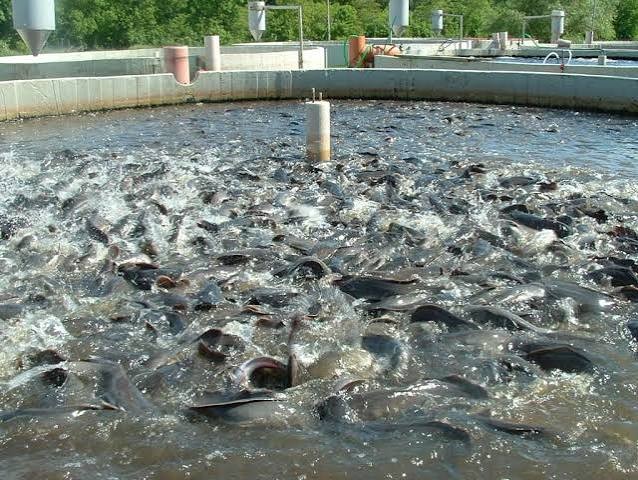
Two earthen ponds measuring approximately 360 square metres and 300 square metres were developed for the experiment. The ponds were stocked with a diverse mix of commercially important fish species including Catla, Rohu, Pearlspot, Pacu, Tilapia and Pangasius. Stocking operations began in April 2025, followed by supplementary stocking of selected species later in the production cycle to optimise pond utilisation and productivity.
Researchers closely monitored water quality, fish growth performance and pond management practices throughout the culture period. The objective was to evaluate how different fish species adapt to the environmental conditions typically prevailing in Khazan ecosystems, where salinity fluctuations and soil-related constraints often limit conventional farming activities.
After 329 days of culture, a partial harvest was undertaken to assess growth and yield parameters. The first pond produced approximately 80 kilograms of fish, comprising Catla, Rohu and Pangasius. The second pond yielded around 62 kilograms, primarily consisting of Pacu and Pangasius.
Based on the partial harvest data, productivity levels were estimated at about 2.2 tonnes per hectare in the first pond and 2.0 tonnes per hectare in the second pond. Researchers indicated that final production figures are expected to increase further upon completion of harvesting operations.
According to scientists associated with the project, the results provide encouraging evidence that several commercially valuable fish species can successfully adapt to Khazan land conditions when supported by scientific management practices. The findings also suggest that integrated aquaculture could serve as an effective strategy for improving land use efficiency and generating supplementary income for farming households in coastal regions.
The demonstration attracted interest from local farmers and stakeholders, many of whom attended the harvesting programme to observe the outcomes firsthand. The positive response highlights growing interest among coastal communities in diversifying livelihood sources amid rising climate-related challenges affecting conventional agriculture.
Experts believe that wider adoption of scientifically managed aquaculture systems in suitable Khazan areas could contribute to the restoration of abandoned lands, enhance household incomes and strengthen the resilience of coastal farming systems. Such interventions are also expected to support sustainable utilisation of natural resources while reducing pressure on capture fisheries.
The ongoing project forms part of broader efforts to develop climate-smart agricultural and fisheries models tailored to Goa's coastal ecosystems. Lessons emerging from the trial are expected to help shape future strategies for revitalising Khazan landscapes and creating sustainable livelihood opportunities for local communities.
With coastal agriculture facing increasing environmental and economic pressures, the success of the Merces trial underscores the potential of aquaculture-based interventions in transforming underutilised saline lands into productive assets for rural households.


.png)