Facebook
 Linked In
 Twitter
 YouTube

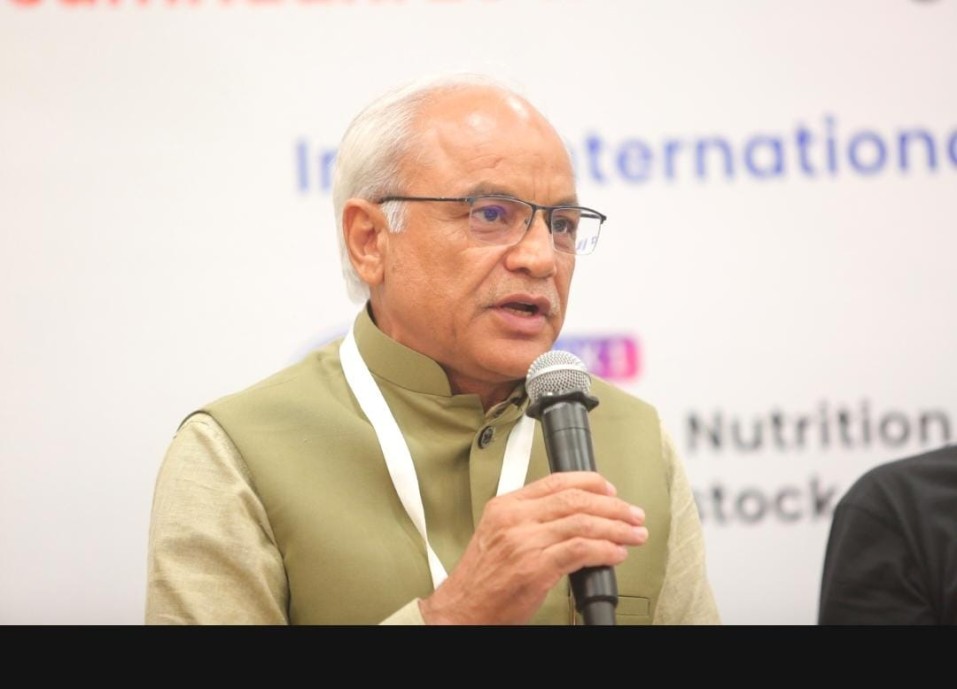
Dr. Suresh Motwani

The Union Budget 2026–27, presented by Nirmala Sitharaman, sends a clear message of continuity for India’s agriculture and rural economy. Continued allocations for farmer income support, crop insurance, rural infrastructure, and market reforms reflect the government’s commitment to protecting farmers’ livelihoods.
However, the real challenge before Indian agriculture today is not how much we spend, but how much farmers actually earn. The next phase of reforms must move beyond subsidies and schemes towards building agriculture as a system of rural enterprises, markets, and resilient production systems.
Recognising the “Actual Cultivator”
A fundamental issue remains unresolved. Millions of tenant farmers, sharecroppers, and women cultivators still remain outside the formal net of government benefits because eligibility continues to be linked to land ownership rather than cultivation. Unless the “actual cultivator” is placed at the centre of policy design, the benefits of income support, insurance, and credit will never fully reach the ground. Inclusion of real producers, not just landowners is essential for both equity and impact.
FPOs: From Subsidy Recipients to Business Enterprises
If India wants to double farmer incomes, production alone will not be enough. Value addition, aggregation, and market power are equally critical.
Farmer Producer Organisations (FPOs) offer one of the strongest pathways to achieve this transformation. They help smallholders negotiate better prices, reduce intermediation losses, and participate in processing and marketing. Yet most FPOs continue to struggle with lack of working capital, professional management, and stable market linkages. What they need is not more subsidy, but business support, enterprise finance, capacity building, and structured partnerships with markets.
Strengthening FPOs as viable rural businesses can generate far greater income impact than fragmented schemes.
Sustainability is Not a Luxury, It is Income Protection
Climate risks are no longer theoretical. Rising temperatures, erratic rainfall, and soil degradation are increasing both costs and uncertainties for farmers.
In this context, regenerative and climate-smart agriculture should not be seen as environmental activism, but as economic risk management.
Practices such as soil restoration, efficient water use, diversified cropping, and lower chemical dependence can reduce costs, improve resilience, and ensure stable yields. However, farmers cannot bear this transition alone. Public policy must link regenerative practices with crop insurance, credit incentives, and financial support to make sustainable farming economically viable.
Women: The Invisible Backbone of Agriculture
Women form a substantial share of India’s agricultural workforce, yet remain under-recognised in land ownership, credit access, extension services, and market participation. Empowering women farmers and supporting women-led FPOs and agri-enterprises can dramatically improve household incomes, nutrition outcomes, and community resilience. A women-first approach in agricultural planning is not just a social objective, it is a smart economic strategy for rural growth.
Edible Oils and Oilseeds:
A Strategic Opportunity India’s heavy dependence on edible oil imports continues to be a major economic vulnerability. Oilseed crops such as soybean, mustard, groundnut, and sunflower present a strong opportunity to simultaneously enhance farmer incomes, generate rural employment, and reduce import bills. The productivity gap in these crops remains significant and can be addressed through better seeds, improved agronomy, local processing, and stronger farmer–processor linkages. A robust domestic oilseed ecosystem is not only an agricultural priority but also a matter of national economic resilience.
Oil Palm and Sustainability:
Growth with Responsibility. Oil palm is emerging as an important future crop. However, rapid expansion without proper agro-ecological zoning, water budgeting, and sustainability safeguards could create long-term environmental risks. India’s Indian Palm Oil Sustainability (IPOS) Framework is an important step in the right direction. Yet without dedicated budgetary support, traceability systems, farmer training, and incentives for FPOs and processors, such frameworks risk remaining only on paper.
Sustainability must be backed by financing and implementation.
The Way Forward
Budget 2026 provides a stable foundation for Indian agriculture. The next step must focus on structural transformation, building markets, enterprises, inclusion, and resilience. Indian agriculture must now move from schemes to systems, from subsistence to enterprise, and from vulnerability to resilience. Because farmers do not need more support alone, they need stronger opportunities to earn.



.png)