Facebook
 Linked In
 Twitter
 YouTube

Priya Singh
Kolkata: West Bengal is set to expand its fisheries and aquaculture activities with a renewed focus on reservoir fisheries, aquaculture productivity, export infrastructure, technology adoption and fisher safety.
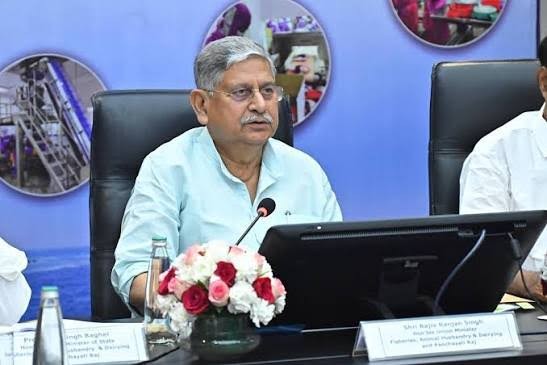
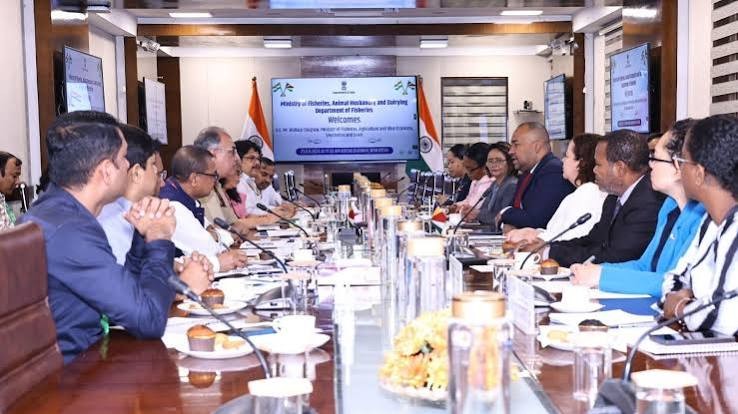
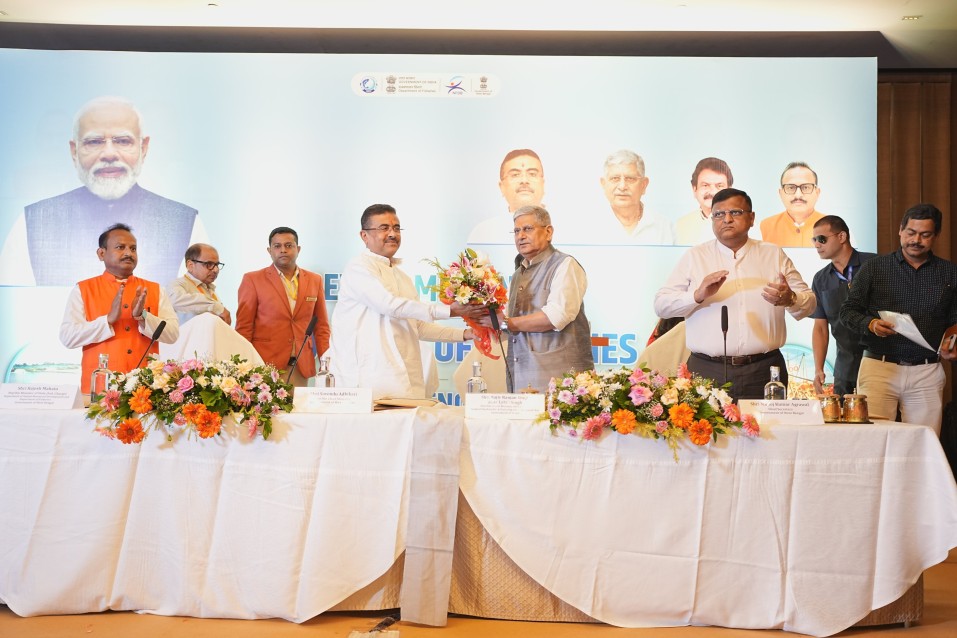
A high-level review meeting on the development of fisheries and aquaculture in West Bengal was held in Kolkata on 21 September, co-chaired by Union Minister for Fisheries, Animal Husbandry & Dairying and Panchayati Raj Shri Rajiv Ranjan Singh and West Bengal Chief Minister Shri Suvendu Adhikari. The meeting was organised after more than a decade to review the State’s fisheries potential and identify areas for future growth.
One of the key announcements was the approval for the development of six reservoirs in West Bengal at a cost of Rs 832.50 lakh, including a Central share of Rs 499.50 lakh. The administrative approval was handed over by the Union Minister to the West Bengal Chief Minister during the meeting.
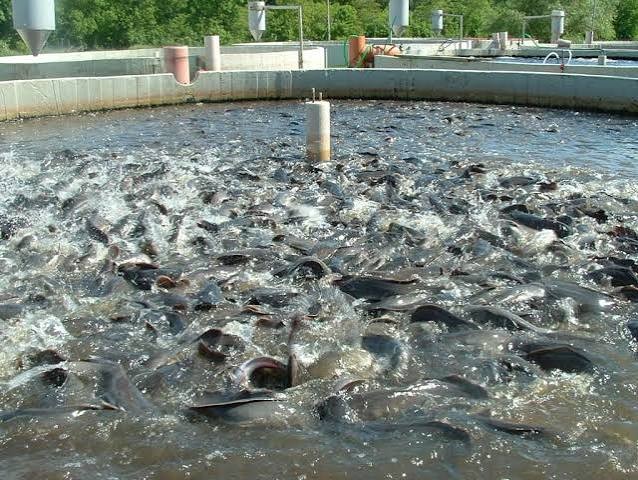
West Bengal produced 25.43 lakh metric tonnes of fish in 2025-26, making it the country’s second-largest fish-producing State. It also remains the leading State in fish seed production. The State’s fisheries sector supports the livelihoods of nearly 32 lakh people, according to officials at the meeting.
The State currently exports fisheries products worth around Rs 5,000 crore. The Union Minister said there is potential to increase this to Rs15,000-20,000 crore by expanding aquaculture, improving value addition and strengthening export-oriented infrastructure.
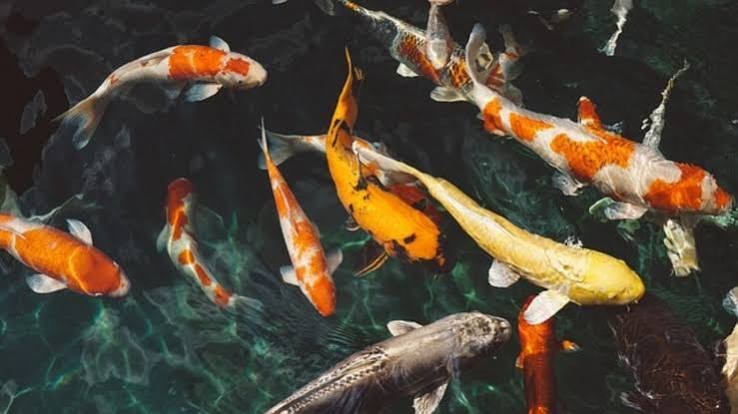
The Sundarbans were identified as an important area for future aquaculture and export growth, particularly for high-value species such as black tiger shrimp, mud crab, hilsa and ornamental fish. Strengthening seed quality, feed management, disease control, cold-chain infrastructure, fish landing centres and fishing harbours will be important for expanding the sector.
The review also discussed the need to improve deep-sea fishing capabilities and the safety of fishers operating in offshore waters. West Bengal Chief Minister Shri Suvendu Adhikari called for better communication systems, wireless connectivity, control room infrastructure and emergency response mechanisms for fishermen.
The State has also been focusing on modern aquaculture technologies. These include biofloc, cage culture and soft-shell crab farming, along with reservoir fisheries in Bankura and Purulia. Initiatives are also being planned to strengthen mariculture, aquaculture regulation, export facilitation and maritime safety.
Improving traceability and regulatory compliance will be another important area, particularly as West Bengal looks to expand its exports. Officials stressed the importance of better seed, feed and farm management, disease control, cold-chain infrastructure, value addition and stronger market linkages.
Research institutions are expected to play a larger role in this expansion. ICAR institutes highlighted opportunities in broodstock management, hatchery certification, ornamental fish, mud crab, seabass, black tiger shrimp, cage culture, mariculture, seaweed cultivation and marine ornamental fisheries.
The National Bureau of Fish Genetic Resources (NBFGR) also highlighted the importance of genetic resource conservation, broodstock improvement, biosecurity and disease surveillance. Meanwhile, the Central Institute of Coldwater Fisheries Research identified opportunities for rainbow trout farming in Darjeeling and Kalimpong.
The meeting also reviewed the implementation of major fisheries programmes, including the Pradhan Mantri Matsya Sampada Yojana (PMMSY), National Fisheries Digital Platform (NFDP) and Pradhan Mantri Matsya Kisan Samridhi Sah-Yojana (PM-MKSSY).
West Bengal is also seeking to expedite long-pending infrastructure projects, including the upgradation of fishing harbours at Fraserganj, Kakdwip, Shankarpur and Petuaghat. The State has sought continued support under the next phase of PMMSY.
At the national level, the Union Minister noted that India’s fish production has increased from 95.7 lakh tonnes in 2014 to 197.75 lakh tonnes, while fisheries exports have risen to Rs 73,890 crore. He said West Bengal could contribute significantly to the next phase of growth by improving productivity, aquaculture, infrastructure and export capacity.
The review brought together officials from the Centre and West Bengal, along with institutions including the National Fisheries Development Board (NFDB), ICAR institutes, National Bank for Agriculture and Rural Development (NABARD), National Cooperative Development Corporation (NCDC), Coastal Aquaculture Authority (CAA), Export Inspection Council (EIC), Marine Products Export Development Authority (MPEDA) and the Indian Coast Guard.
The discussions pointed towards a more integrated approach to fisheries development in West Bengal, combining higher production with better technology, infrastructure, market access, exports and livelihood support for fishers and fish farmers.


.png)