Facebook
 Linked In
 Twitter
 YouTube

IndiAgri Bureau
Soreng: Sikkim’s Soreng district has emerged as India’s first notified organic fisheries cluster under the Pradhan Mantri Matsya Sampada Yojana (PMMSY), marking a step towards developing certified organic fish production and strengthening market access for fish farmers in the Northeast.
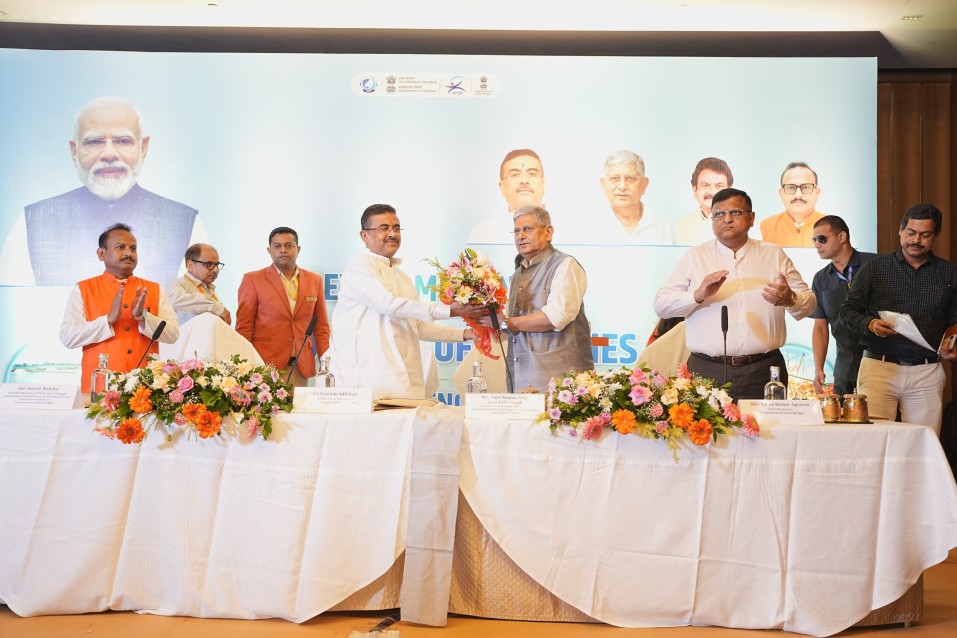
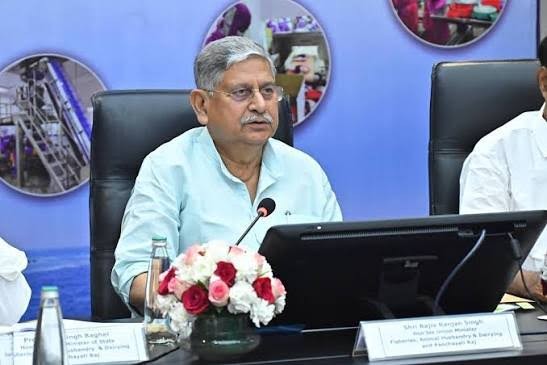
The initiative was highlighted during Union Fisheries Minister Rajiv Ranjan Singh’s visit to Sikkim on November 2, during which he launched a Standard Operating Procedure (SOP) for organic certification of fisheries in the Northeastern region and inaugurated fisheries projects worth ₹375 lakh.
The projects cover key infrastructure and technologies, including hatcheries, feed mills, cold storage facilities, biofloc systems and recirculatory aquaculture systems (RAS). These investments are expected to strengthen fish production, post-harvest management and other links in the fisheries value chain.
The organic fisheries cluster in Soreng aims to promote fish farming without harmful chemicals, antibiotics and pesticides. Its focus species include Amur carp, Indian Major Carps and trout.
Building on Sikkim’s established organic farming ecosystem, the cluster seeks to improve production practices, strengthen the fisheries value chain and create opportunities for fish farmers to access premium domestic and international markets.
The newly launched SOP for organic certification is expected to provide a structured framework for organic fish production and improve traceability across the value chain. This could help build greater confidence in organic fish products and support their market positioning.
Under PMMSY, 34 fisheries production and processing clusters have been notified across India, including organic fisheries clusters in Sikkim and Meghalaya.
During the visit, Singh inspected a live fish vending centre supported under PMMSY and interacted with members of fish farmers’ cooperative societies to understand the challenges they face.
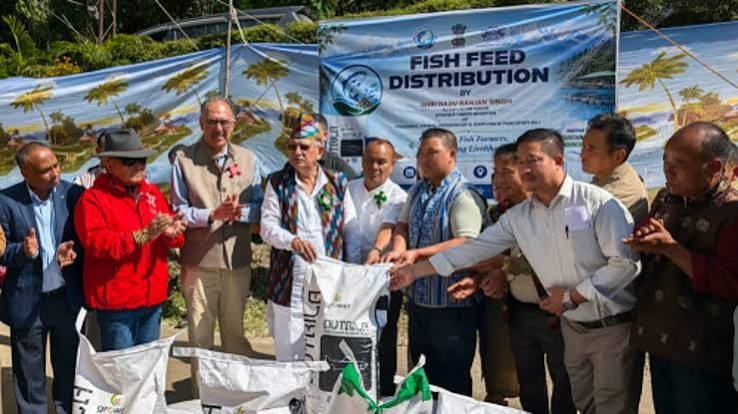
Fish feed was distributed to 15 farmers from two cooperative societies. Kisan Credit Cards were also distributed to fish farmers to facilitate access to institutional credit, while five farmers received cheques under the Mukhya Mantri Matsya Uthpadhan Yojana (MMMUY).
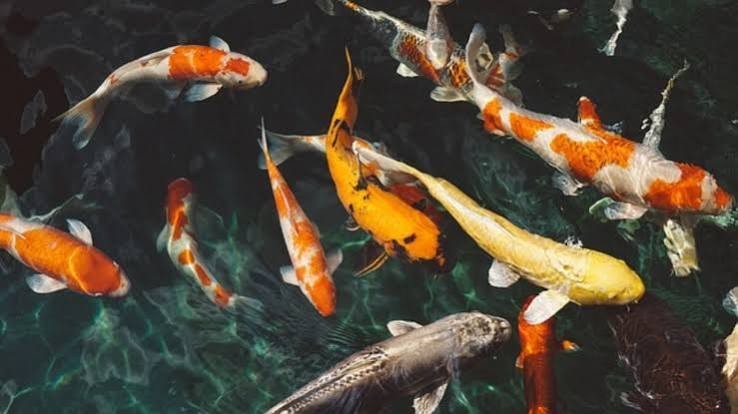
The programme also showcased fish, ornamental fish and value-added fish products, alongside dairy and animal products and locally grown organic vegetables, reflecting the range of livelihood and marketing opportunities available in the region.
Sikkim has also taken steps to improve market linkages for its coldwater fisheries sector by signing a memorandum of understanding with the Indo-Tibetan Border Police (ITBP) for institutional procurement of locally produced rainbow trout.
The proposed arrangement aims to provide trout farmers with a more stable market by facilitating regular supplies to ITBP establishments. It will involve coordination on quality standards, production capacity, pricing, inspection and supply schedules.
Institutional procurement could help reduce market uncertainty for trout producers while creating a more organised channel for marketing the high-value fish.
The initiatives reflect efforts to develop fisheries through a combination of infrastructure investment, improved production practices, financial support and stronger market connections.
For Sikkim, the organic fisheries cluster offers an opportunity to build on its organic agriculture credentials while developing a more organised fisheries sector. The long-term benefits will depend on effective implementation of certification systems, consistent production standards and reliable market access for farmers.
With investments in infrastructure and a proposed institutional market for rainbow trout, the state is seeking to turn its fisheries potential into sustainable livelihood opportunities for fish farmers and local enterprises.

.jpeg)