Facebook
 Linked In
 Twitter
 YouTube

Priya Singh
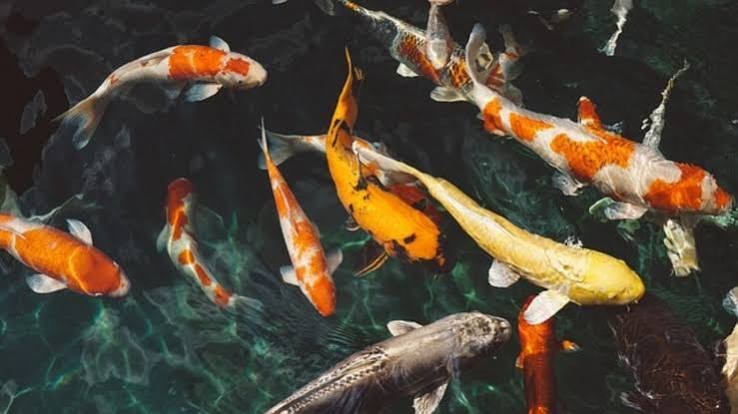
New Delhi: India is preparing to give a fresh push to ornamental fisheries, with Vice President of India set to release the “Mission Rangeen Machhli 2031” Strategic Action Plan for Ornamental Fisheries Development at a fisheries outreach programme in Agatti, Lakshadweep, on August 31.
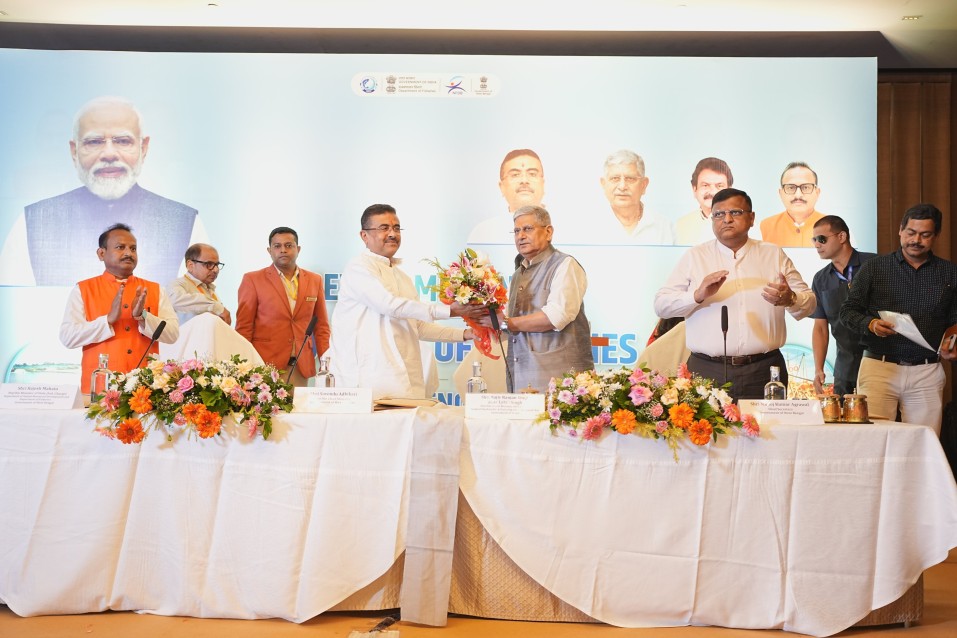
The programme is being organised by the Department of Fisheries, Ministry of Fisheries, Animal Husbandry & Dairying, Government of India. Union Minister Rajiv Ranjan Singh, Minister of State Prof. S. P. Singh Baghel and Lakshadweep Administrator Praful Khode Patel are also expected to participate.
The programme will bring together fish farmers, fishers, women engaged in fisheries, government officials and other stakeholders from the sector.
The Mission Rangeen Machhli 2031 action plan is aimed at providing a more organised and scientific approach to India’s ornamental fisheries sector.
The plan will provide a common framework covering scientific management, biosecurity, quality assurance and regulatory compliance across the ornamental fisheries value chain.
Standard operating procedures will cover areas such as broodstock management, breeding, hatchery operations, production, quarantine, fish health, traceability, aquarium operations, handling, transportation and trade.
The initiative is expected to help improve production practices, product quality and biosecurity while supporting certification and better access to domestic and international markets.
The government is also looking at Lakshadweep’s marine resources as an important opportunity for fisheries and the wider blue economy.
India has a coastline of around 11,099 km, an Exclusive Economic Zone of about 2.2 million sq. km and an estimated marine fisheries potential of 5.31 million tonnes, highlighting the scale of resources available for sustainable fisheries, deep-sea fishing and mariculture.
Lakshadweep alone has an EEZ of nearly 4 lakh sq. km, accounting for around 17% of India’s total EEZ, along with a lagoon area of more than 4,200 sq. km.
These resources offer scope for high-value fisheries, mariculture, coastal livelihoods and other blue economy activities.
As part of its cluster-based approach to fisheries development, the Government of India has notified Lakshadweep as a dedicated Seaweed Cluster.
The cluster approach is intended to support cultivation, processing, value addition and market linkages, creating opportunities across the seaweed value chain.
The islands also have significant marine ornamental fisheries resources, which could support sustainable rearing, trade and livelihood opportunities while maintaining the health of marine ecosystems.
Lakshadweep is particularly known for its oceanic fisheries resources, including Yellowfin Tuna and Skipjack Tuna.
These high-value species form an important part of the islands’ marine fisheries sector and offer opportunities for sustainable harvesting, processing, value addition and exports.
The government has also introduced an enabling framework for the sustainable use of fisheries resources in India’s EEZ and the High Seas, including guidelines for Indian-flagged fishing vessels operating in the High Seas.
India is among the leading fisheries and aquaculture producing countries globally. The sector supports the livelihoods of approximately 50 lakh fishers and contributes to food security, employment, income generation and exports.
India exported seafood worth around Rs 73,890 crore during FY 2025-26, according to the Department of Fisheries.
However, fishing activity remains largely concentrated within 40–50 nautical miles of the coast, leaving considerable scope to sustainably explore deeper waters and high-value marine resources.
The Mission Rangeen Machhli 2031 action plan comes with a focus on bringing greater consistency and scientific practices into ornamental fisheries.
By strengthening breeding, hatchery management, health systems, traceability and trade practices, the initiative aims to build a more organised and globally competitive ornamental fisheries sector.
For fish farmers, fishers and other stakeholders, the larger opportunity lies in converting India’s rich aquatic resources into sustainable livelihoods, value-added products and stronger market opportunities, while ensuring that marine biodiversity remains protected.


.png)