Facebook
 Linked In
 Twitter
 YouTube

IndiAgri Bureau
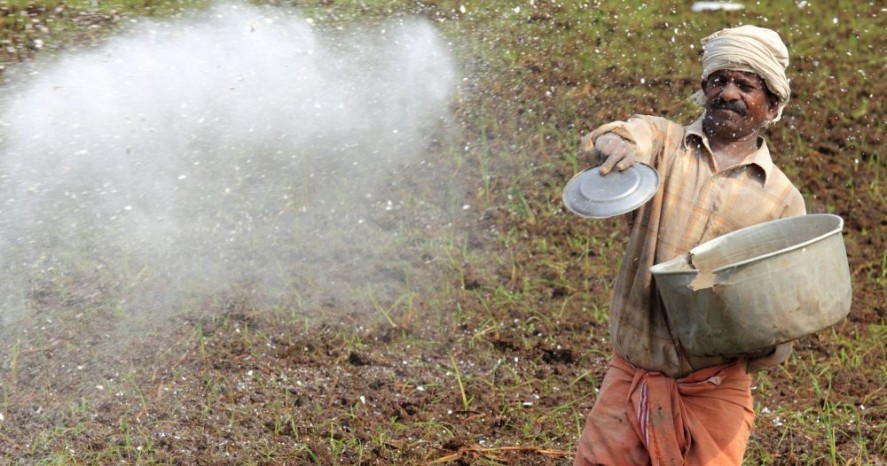
New Delhi : The Government of India has stated that Punjab has sufficient urea stocks to meet the fertilizer requirements of the ongoing Kharif 2026 season, dismissing concerns over any immediate shortage during the crucial paddy transplantation period.
According to data released by the Department of Fertilizers (DoF), Punjab had a total urea availability of 10.71 lakh metric tonnes (LMT) as of June 9, 2026, against the pro-rata requirement of 9 LMT for the period. Actual sales during the season stood at 6.25 LMT, leaving a closing stock of 4.46 LMT available within the state.
In addition, around 39,167 metric tonnes (0.39 LMT) of urea is currently in transit to Punjab, further strengthening the supply position.
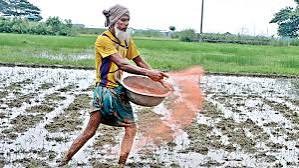
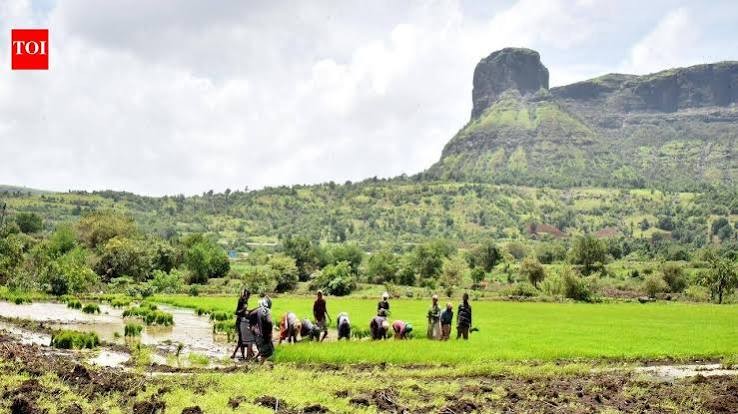
Officials said paddy transplantation activities are yet to reach peak levels in many parts of the state, and the available inventory is considered adequate to meet upcoming demand.
In Amritsar district, total urea availability during the Kharif season has reached 64,720 metric tonnes. Of this, 32,956 metric tonnes remain available as stock, indicating a comfortable supply situation at the district level.
The Centre attributed the healthy stock position to advance planning and pre-positioning of fertilizers before the start of the Kharif season.
Between January and March 2026, Punjab's requirement was estimated at 3.50 LMT, while actual supplies reached 6.08 LMT. This additional allocation was aimed at building buffer stocks ahead of peak seasonal demand.
Urea consumption has also risen this year. Between March 1 and June 9, 2026, sales touched 7.86 LMT compared to 7.10 LMT during the corresponding period last year, registering an increase of 0.76 LMT.
During the previous Rabi 2025-26 season, Punjab's estimated requirement was 15 LMT, while total availability reached 19.43 LMT. Actual sales during the season stood at 15.45 LMT.
The fertilizer sector continues to face uncertainty due to geopolitical developments affecting global supply chains and maritime trade routes. The government noted that international disruptions have put pressure on fertilizer availability in several markets.
To minimize the impact on Indian agriculture, the Centre has adopted a combination of measures, including enhanced domestic production through the Empowered Pool Management Committee (EPMC) mechanism for natural gas allocation and planned fertilizer imports spread throughout the year.
While ensuring adequate supplies at the national level, the Centre has urged state governments to strengthen local distribution networks and maintain smooth movement of fertilizers across districts.
Authorities have also intensified monitoring to prevent hoarding, black marketing, and diversion of subsidized agricultural urea for non-agricultural purposes. Senior officials from the Department of Agriculture & Farmers Welfare and the Department of Fertilizers recently held a review meeting with states to assess preparedness and enforcement measures.
The Centre said fertilizer manufacturers and importers have been directed to respond quickly to any emerging supply concerns and that fertilizer availability is being monitored continuously to support farmers during the Kharif season.