Facebook
 Linked In
 Twitter
 YouTube

Divyansh Upadhyay

Leading the charge toward a more sustainable and resilient agriculture model, Prime Minister Narendra Modi inaugurated the South India Natural Farming Summit 2025 in Coimbatore, Tamil Nadu, in an event that not only launched the 21st instalment of the PM‑Kisan Samman Nidhi worth ₹18,000 crore but also put natural farming at the heart of India’s agrarian future. The Prime Minister declared that India is on the path to becoming a global hub for natural farming and underscored that the country’s youth are increasingly recognising agriculture as a modern, scalable opportunity, thereby strengthening the rural economy.
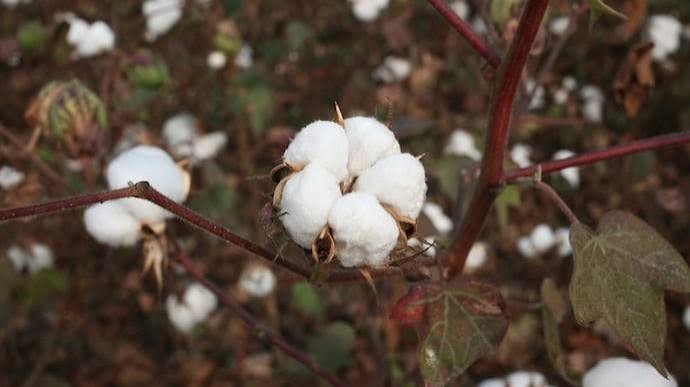
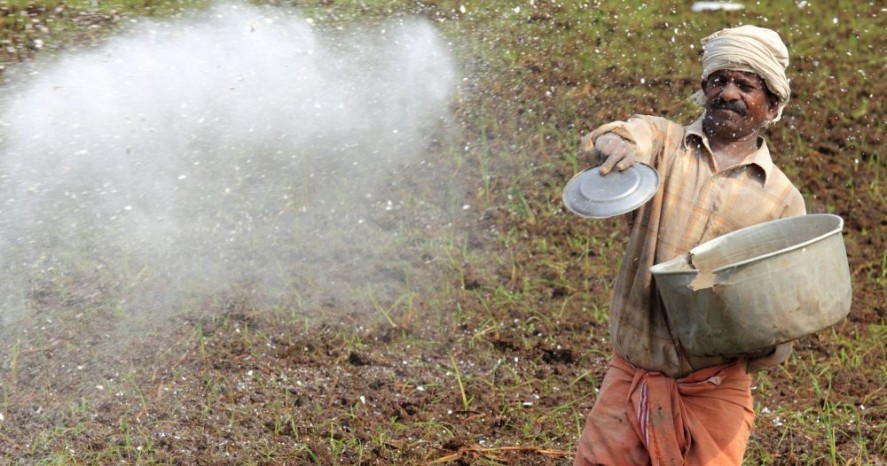
Addressing farmers, scientists, start-ups, industry partners and innovators, the Prime Minister described natural farming as an indigenous concept—rooted in India’s traditions and aligned with its environment. He emphasised that excessive use of chemical fertilisers and pesticides over recent years has damaged soil fertility, reduced soil moisture and increased the cost of farming, noting that crop diversification and natural farming hold the key to restoring farmland health, enhancing nutrition and building resilience to climate change. He called upon farmers to adopt the “one acre, one season” challenge: practising natural farming on one acre of land for one season, as a demonstration of the benefits they can observe firsthand. “Our goal must be to make natural farming a fully science-backed movement,” he said.
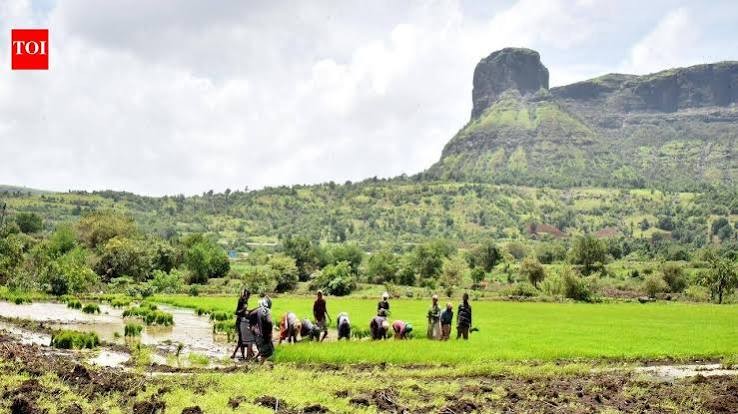
Reiterating how multi-crop systems and integrated agriculture have long been practised in South India—where in hilly tracts coconut, areca nut and fruit trees grow with spices and black pepper underneath—the Prime Minister presented these as proven models for scalable replication. He highlighted that in Tamil Nadu alone, about 35,000 hectares are already under natural and organic farming, thanks to the central mission launched one year ago. He also pointed out that nearly ₹4 lakh crore has been directly transferred to small farmers’ bank accounts under the PM-Kisan scheme so far, signalling how institutional support is aligning with agrarian transformation.
On market and institutional fronts, the Prime Minister affirmed that natural and chemical-free farming must play a major role in expanding Indian millets (“Shree Anna”) into global markets. He appealed to the 10,000-plus Farmer Producer Organisations created in recent years to step up, equipping small-farmer clusters with cleaning, packaging and processing facilities, and linking them with online platforms like e-NAM for better market access. He encouraged scientists and research institutions to treat farmers’ fields as living laboratories, and urged state governments to view natural farming as a core part of their agricultural curricula, not as an alternative niche.
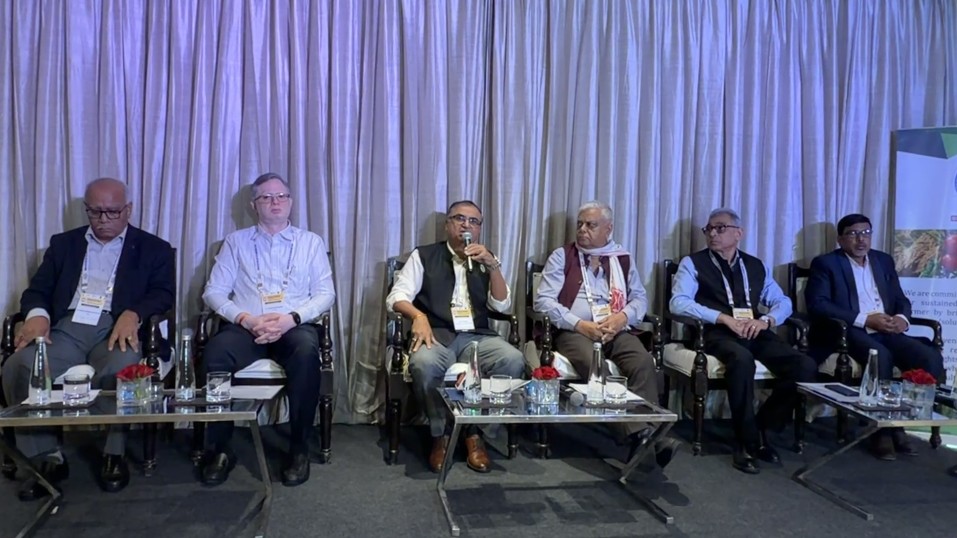
The summit, being organised by the Tamil Nadu Natural Farming Stakeholders Forum, is expected to bring over 50,000 farmers, natural-farming practitioners, scientists, input suppliers and rural entrepreneurs from Tamil Nadu, Puducherry, Kerala, Telangana, Karnataka and Andhra Pradesh together from November 19–21. Beyond dialogues and workshops, the programme will feature innovations in agro-processing, eco-friendly packaging and indigenous technologies. With this landmark event, India appears to be reorienting its agricultural model toward climate-smart, input-efficient and locally-adapted systems—anchored in natural farming but driven by science, markets and modern institutional support.