Facebook
 Linked In
 Twitter
 YouTube

Priya Singh
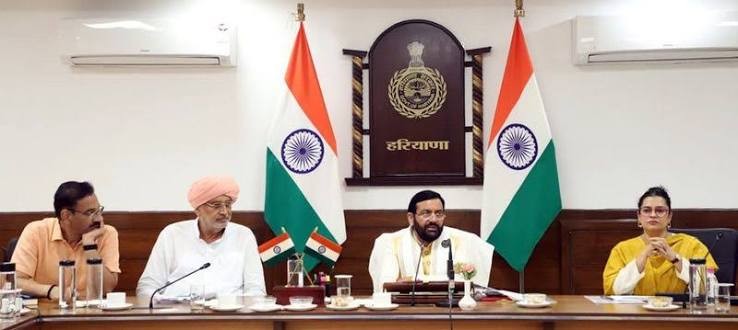
Chandigarh: Haryana has approved the ‘Water Secure Haryana’ programme with a total outlay of Rs 5,714.80 crore, aimed at strengthening long-term water sustainability and making the state self-reliant in the water sector.
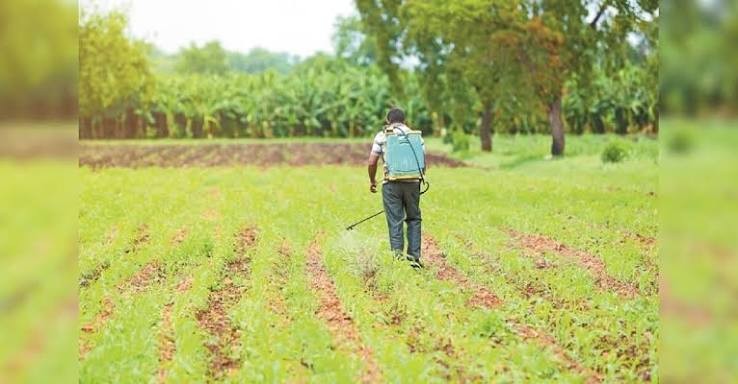
The programme, proposed with World Bank assistance, will focus on improving irrigation efficiency, scientific water management, rehabilitation of canal networks, reclamation of waterlogged areas, reuse of treated wastewater and expansion of micro-irrigation.
The programme will be implemented jointly by the Irrigation and Water Resources Department, Micro Irrigation and Command Area Development Authority, and Agriculture & Farmers Welfare Department.
According to the programme details, Rs 4,000.36 crore of the total outlay is proposed as external assistance. The initiative will also include institutional strengthening and data management to improve the operation of Haryana's irrigation canal network.
A key component will be the use of IT-enabled systems for real-time monitoring of water discharge across canals. The programme also proposes strengthening Participatory Irrigation Management by empowering Water User Associations and promoting micro-irrigation for better utilisation of surface water.
The state has also planned interventions for groundwater recharge and water conservation, including the creation of new water bodies. Earlier, Haryana's Irrigation and Water Resources Department said the programme would cover 15 clusters and include measures such as canal modernisation, rehabilitation of watercourses, treated wastewater reuse, crop diversification and micro-irrigation.
The programme is expected to bring together water management, irrigation and agriculture interventions to improve the efficiency and sustainability of water use across Haryana.
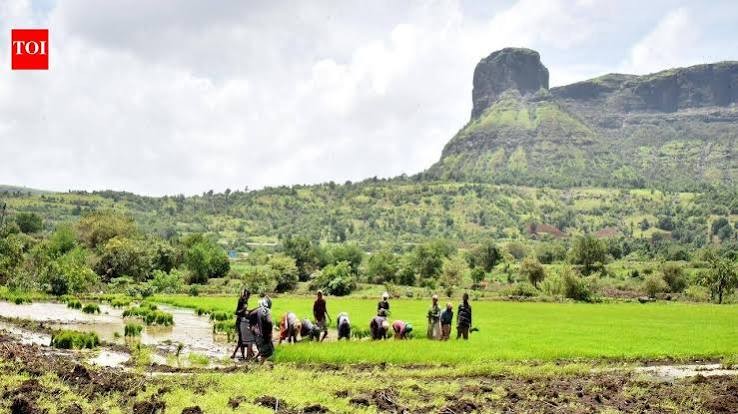
The initiative comes at a time when Haryana's agricultural system faces increasing pressure on water resources, with irrigation efficiency, groundwater management and sustainable farming becoming increasingly important for the state's agricultural future.


.png)