Facebook
 Linked In
 Twitter
 YouTube

Priya Singh
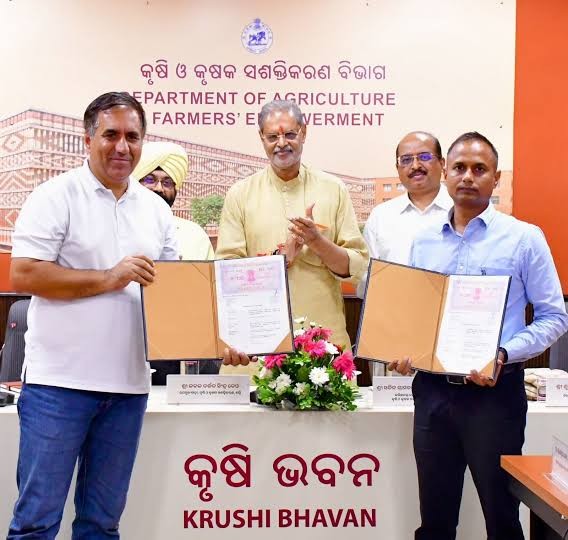
Bhubaneswar: Odisha is taking steps to strengthen its agriculture sector through six new partnerships focused on digital farmer services, better seed systems, climate-resilient farming, nutrition and rural livelihoods.
The Department of Agriculture & Farmers’ Empowerment has signed the six MoUs with the Department of Posts, Odisha Circle, the International Crops Research Institute for the Semi-Arid Tropics (ICRISAT) and the M.S. Swaminathan Research Foundation (MSSRF).
The partnership with the Department of Posts is aimed at improving last-mile access to digital agriculture services, particularly in rural and remote areas.
Under the agreement, Gramin Dak Sevaks will help farmers with Farmer Registry enrolment and Farmer ID generation. They will also support services such as CM KISAN registration, PM-KISAN e-KYC and NPCI/Aadhaar seeding.
The move could make it easier for farmers to complete important digital registrations and access government schemes without having to depend entirely on distant service centres.
Four of the six MoUs have been signed with ICRISAT under RKVY-DPR projects.
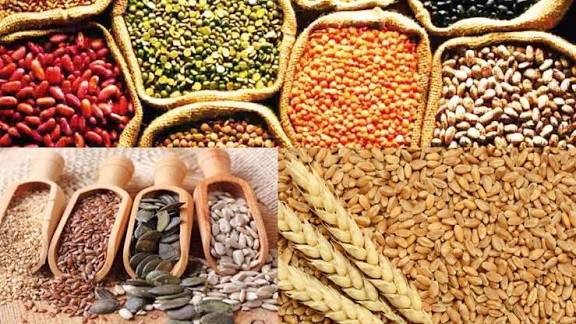
The projects will focus on strengthening seed systems for pulses and oilseeds, promoting self-reliance in pulses, chickpea seed production and speed breeding for improved and climate-resilient varieties.
The focus on quality seeds and improved varieties is expected to support crop diversification, productivity and farmers’ ability to manage climate-related challenges.
The sixth partnership, with MSSRF, will support a three-year Farming System for Nutrition project in Nayagarh covering around 3,000 small and marginal farmers.
The project will bring together biofortified crops, pulses, vegetables, backyard poultry and aquaculture. It will also support seed banks, nutrition gardens and community processing units.
The objective is to improve the availability of nutrient-rich food while supporting farmer incomes, dietary diversity and household nutrition.
The six partnerships bring together three important areas for Odisha’s agriculture sector: easier digital access, stronger production systems and improved nutrition and livelihoods.
For farmers, the impact will ultimately depend on how effectively these partnerships translate into better access to services, quality seeds, improved technologies and stronger livelihood opportunities.
The Odisha government has said the success of these initiatives will be measured by their tangible benefits to farmers and farming communities.
The move reflects a broader shift towards connecting digital services, agricultural research and farmer-level support so that new solutions reach the field and deliver practical benefits to farming households.


.png)