Facebook
 Linked In
 Twitter
 YouTube

Priya Singh
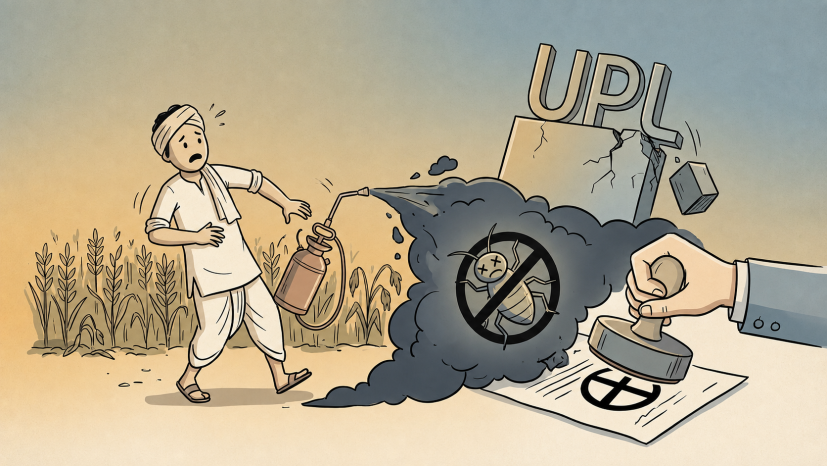
New Delhi: The central government has proposed a ban on the widely used insecticide carbosulfan following concerns over its potential risks to human health, animals and the environment.
The move follows a high-level expert committee constituted by the Ministry of Agriculture in January 2026 to review the continued use of the insecticide. The committee submitted its report in June, recommending a complete prohibition of carbosulfan, including its manufacture, import, transport, distribution, sale and use under the Insecticides Act, 1968.
According to the expert panel, carbosulfan is a highly hazardous carbamate insecticide that is rapidly converted into carbofuran, a toxic metabolite. The panel also flagged risks to birds, pollinators, aquatic organisms and other non-target species.
Another concern highlighted by the committee is the absence of a specific antidote for carbosulfan poisoning.
The government has now moved ahead with the proposed ban, but the decision is not yet final. The draft order will remain open for public comments and suggestions for 30 days before any prohibition can take effect.
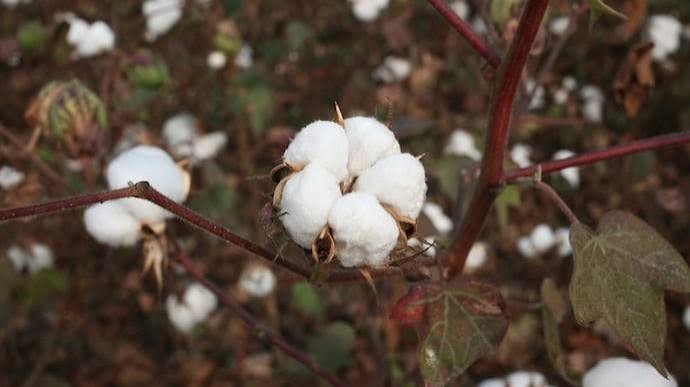
Carbosulfan is currently used across a number of important crops, including rice, cotton, chilli, brinjal and cumin.
Its registered uses include pest management in rice against pests such as gall midge, stem borer and leaf folders, while it is also used against sucking pests in cotton, cumin and chilli and shoot and fruit borer in brinjal. It is also used as a seed treatment in cotton.
The proposed ban has also raised concerns within the crop protection industry. Industry representatives say carbosulfan remains an important and affordable pest-management option, particularly for farmers dealing with serious pest pressure and limited alternatives.
They have also warned that removing another pesticide from the available crop-protection basket could increase pest resistance risks, raise cultivation costs and potentially affect crop yields.
The industry has called for a science-based review and greater focus on safe and responsible use rather than an outright ban.
Carbosulfan-based products are estimated by industry sources to represent a domestic market of around ₹250-400 crore annually. The product is also linked to a wider network of manufacturers, formulators, distributors and retailers.
For farmers, the key issue will be the availability of effective and affordable alternatives if the ban eventually comes into force.
The government’s proposal therefore brings a wider question into focus: how can India strengthen pesticide safety and environmental protection while ensuring farmers continue to have practical and affordable tools for managing crop pests?
With the consultation process still underway, the final regulatory decision will be closely watched by farmers, agrochemical companies and the wider agricultural sector