Facebook
 Linked In
 Twitter
 YouTube

Priya Singh
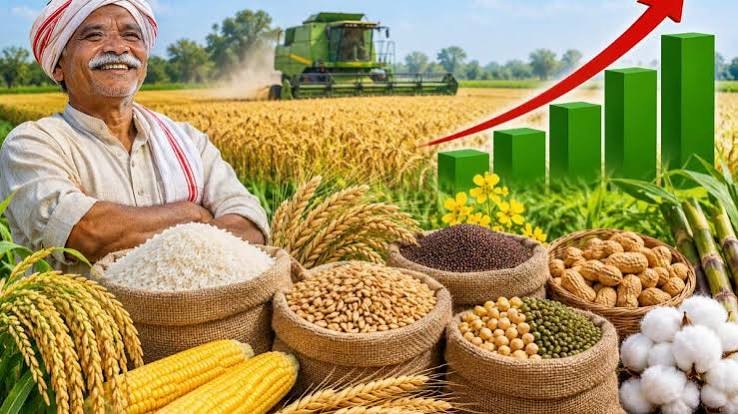
New Delhi: India's foodgrain production reached a record 378.54 million tonnes in 2025-26, marking an increase of 20.81 million tonnes over the previous year, according to the final crop production estimates released by the Ministry of Agriculture and Farmers Welfare.
Union Agriculture Minister Shivraj Singh Chouhan released the final estimates for 2025-26 and the first advance estimates for the 2026-27 kharif season on November 26. The estimates also show record production of oilseeds, rice, wheat and several other crops during 2025-26.
Despite weather-related challenges, including delayed monsoon rainfall and El Niño conditions, kharif foodgrain production for 2026-27 is projected at 167.14 million tonnes. This is 9.77 million tonnes above the average kharif production recorded over the previous five years.
Final estimates put rice production at 155.15 million tonnes in 2025-26, up from 150.18 million tonnes in the previous year. Wheat production also reached a record 122.06 million tonnes, compared with 117.95 million tonnes in 2024-25.
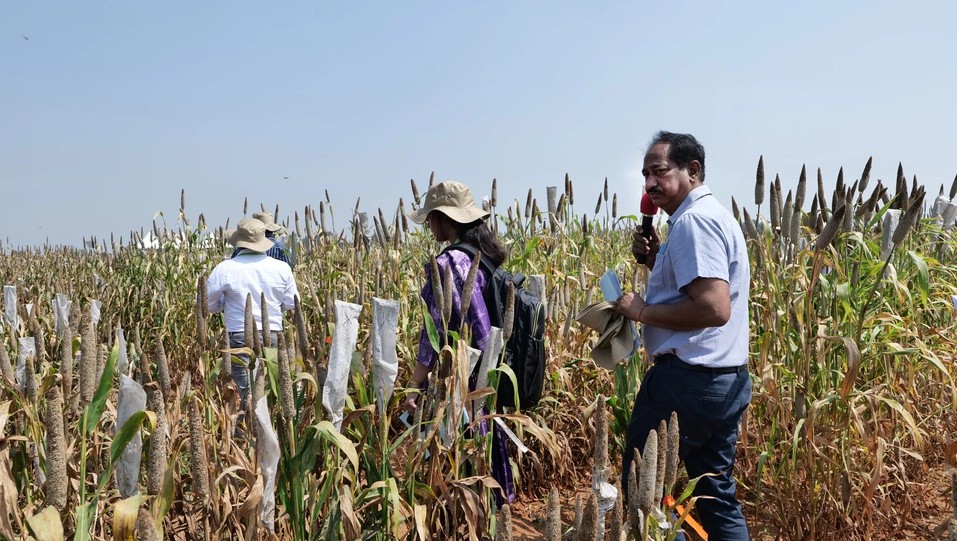
Maize production increased significantly to 55.03 million tonnes from 43.41 million tonnes in the previous year. Total nutri-cereals and coarse cereals production stood at 74.08 million tonnes, including 17.21 million tonnes of millets, referred to as Shri Anna.
Pulse production rose to 27.24 million tonnes, an increase of 1.56 million tonnes over 2024-25. Moong recorded a new high of 4.40 million tonnes, while gram production stood at 12.51 million tonnes and tur at 3.60 million tonnes.
India's total oilseed production reached a record 43.26 million tonnes in 2025-26, compared with 42.99 million tonnes in the previous year.
Groundnut production increased to 13.17 million tonnes, while rapeseed and mustard output reached a new high of 13.77 million tonnes. Soybean production was estimated at 12.64 million tonnes.
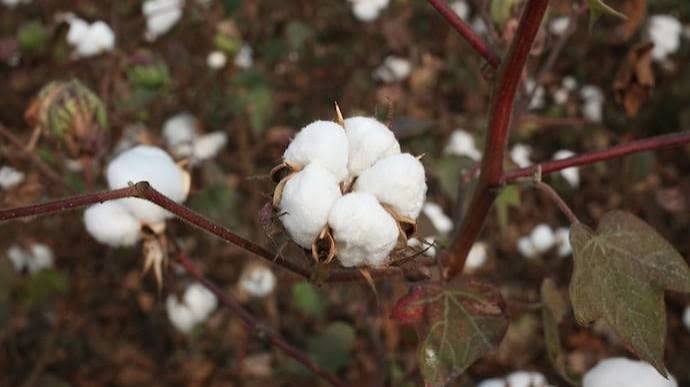
Among commercial crops, sugarcane production stood at 503.73 million tonnes. Cotton production was estimated at 280.06 lakh bales, with each bale weighing 170 kg, while jute and mesta production reached 94.28 lakh bales of 180 kg each.
The first advance estimates for the 2026-27 kharif season project foodgrain production at 167.14 million tonnes, despite unfavourable weather conditions in several crop-growing regions.
According to the Agriculture Ministry, delayed monsoon rainfall in June, rainfall levels 35-40 per cent below normal in some areas, and low soil moisture affected sowing in states such as Maharashtra, Karnataka, Telangana and Andhra Pradesh. Crops including paddy, maize, tur, soybean and cotton faced challenges in these regions.
Kharif rice production is estimated at 121.91 million tonnes, while nutri-cereals and coarse cereals are projected at 38.11 million tonnes. Maize is expected to contribute 26.06 million tonnes, followed by bajra at 8.94 million tonnes.
Kharif pulse production is estimated at 7.13 million tonnes, including 3.12 million tonnes of tur, 1.66 million tonnes of moong and 1.45 million tonnes of urad.
Oilseed production during the season is projected at 23.95 million tonnes. Groundnut is estimated at 11.17 million tonnes and soybean at 10.24 million tonnes.
Among commercial crops, sugarcane production is projected at 454.34 million tonnes, while cotton output is estimated at 248.66 lakh bales.
With India maintaining substantial production of rice and wheat, the government has identified pulses and oilseeds as key areas for strengthening domestic production and reducing import dependence.
The National Pulses Mission and National Oilseeds Mission are among the initiatives aimed at improving productivity and expanding domestic supply. The latest estimates show gains in pulse and oilseed production, although further improvements will be important to meet rising domestic demand for pulses and edible oils.
India continues to rank first globally in the production of rice, pulses, jute, millets and spices, while holding the second position in wheat, cotton, groundnut, fruits and vegetables, according to the ministry.
The government also reported a 5 per cent increase in rice exports, with Indian basmati reaching markets in the United States, Canada and the Middle East.
The ministry clarified that the 2026-27 kharif figures are preliminary and will be revised in subsequent estimates based on actual crop yields.
The estimates have been prepared using information from states and Union Territories, along with inputs from remote sensing, the Digital Crop Survey, the Digital General Crop Estimation Survey and Crop Weather Watch Group assessments. Crop-cutting experiments conducted during harvesting will provide further data for the second and final estimates.
The latest figures point to continued growth in India's foodgrain and oilseed output. However, the kharif season's final performance will become clearer once harvesting data is available.