Facebook
 Linked In
 Twitter
 YouTube

Priya Singh
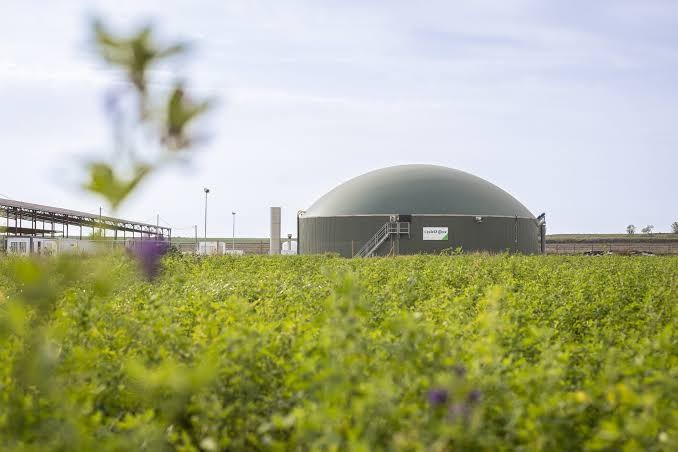
Lucknow: Uttar Pradesh is stepping up efforts to convert agricultural residue into an economic resource, with plans to establish 78 additional compressed biogas (CBG) plants alongside 40 facilities already operational across the state. The initiative aims to provide farmers with an alternative to stubble burning by creating a structured supply chain that channels crop residue into renewable energy production.
Under the initiative, crop residue collected from farmers' fields is transported to biogas plants, where it is processed into compressed biogas. The organic material left after processing is subsequently made available to farmers as manure, helping improve soil health and reduce dependence on conventional waste-disposal methods.
The programme is also creating opportunities for employment in crop residue collection, transportation, processing and plant operations, while addressing the recurring challenge of managing agricultural waste after harvesting.
The initiative is gaining traction in districts such as Barabanki, where farmers have traditionally faced difficulties in clearing agricultural residue between cropping seasons.
For many farmers, stubble management involves additional expenses and delays in preparing fields for the next crop. Burning residue has often been used as a quick disposal method, despite its adverse impact on air quality and soil health.
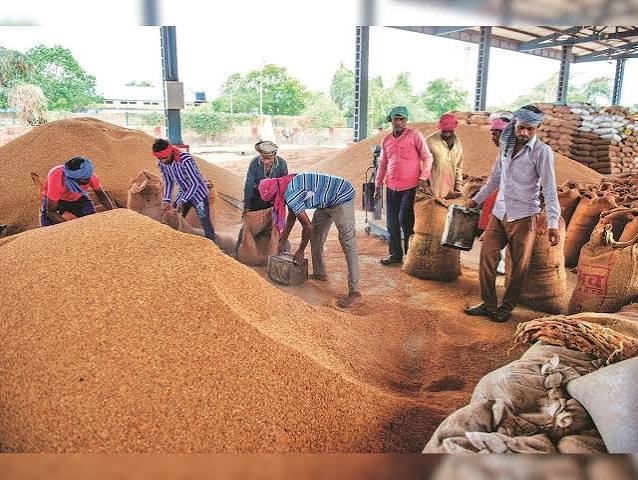
The new system provides an organised mechanism for removing crop residue soon after harvesting and supplying it to nearby CBG facilities. This allows farmers to prepare their fields for subsequent sowing without the additional burden of managing large quantities of stubble.
According to the reported experience of farmers in Barabanki, clearing residue from one acre of farmland could earlier cost between ₹2,500 and ₹3,000. Linking farms with biogas facilities offers an alternative by arranging the collection and transportation of residue.
Barabanki has emerged as an important location for implementing the crop residue-to-energy model.
The CBG plant on Deva Road in the district processes approximately 150 tonnes of crop residue daily and produces around 15,000 to 19,000 kg of biogas per day.
The facility utilises paddy and maize residue, including material that has limited suitability for animal fodder because of its relatively high silica content.
CBG facilities at Deva Road and Haidergarh have helped extend residue collection activities across Harkh, Haidergarh, Fatehpur and Ramnagar blocks.
The programme has also generated employment across different stages of the supply chain. Around 10 to 12 workers are engaged in field-level collection activities, while approximately 2,000 people are employed at the biogas facility, according to officials.
Farmer Producer Organisations (FPOs) are playing an important role in connecting farmers with biogas plants and building an organised crop residue supply chain.
The model, developed with technical support from the Gates Foundation's Technical Support Unit (TSU), involves FPOs, aggregators and other supply-chain participants in coordinating residue collection and transportation.
Mechanisation is another important component. Equipment such as slashers, rakers and balers is being used to cut, gather and bundle crop residue before it is transported to collection centres and processing facilities.
The state is also extending subsidy assistance to FPOs and individual beneficiaries for purchasing Crop Residue Management (CRM) machinery. This is expected to strengthen the collection network and improve the availability of equipment for residue management.
The programme offers benefits beyond reducing agricultural waste. By diverting crop residue towards biogas production, the state aims to address air pollution associated with stubble burning while supporting the production of renewable energy.
The organic by-product generated during processing can also be returned to agricultural fields as manure. Its application can help improve soil structure, moisture retention and nutrient availability.
Preserving crop residue through scientific management also helps avoid the potential damage to soil microorganisms and organic matter associated with repeated burning.
The initiative reflects a broader shift towards treating agricultural residue as a resource rather than waste, with opportunities to connect agriculture, renewable energy and rural enterprise.
With 40 biogas plants already operational and 78 more planned, Uttar Pradesh is looking to expand the infrastructure required to process agricultural residue at scale.
The success of this model will depend on efficient collection systems, access to farm machinery, reliable transportation networks and consistent linkages between farmers, FPOs and biogas operators.
For farmers, the initiative offers the prospect of reduced residue-management expenses, timely field preparation and access to organic manure. For rural communities, it creates employment opportunities across the renewable energy value chain.
By connecting crop production with bioenergy generation, Uttar Pradesh is seeking to develop a more resource-efficient agricultural system in which farm residue can contribute to both rural incomes and clean energy production.