Facebook
 Linked In
 Twitter
 YouTube

Priya Singh
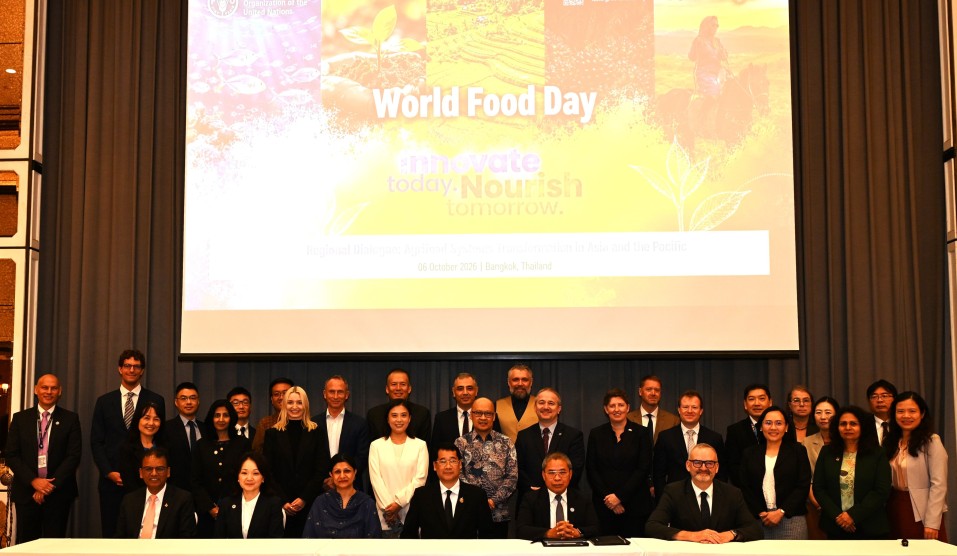
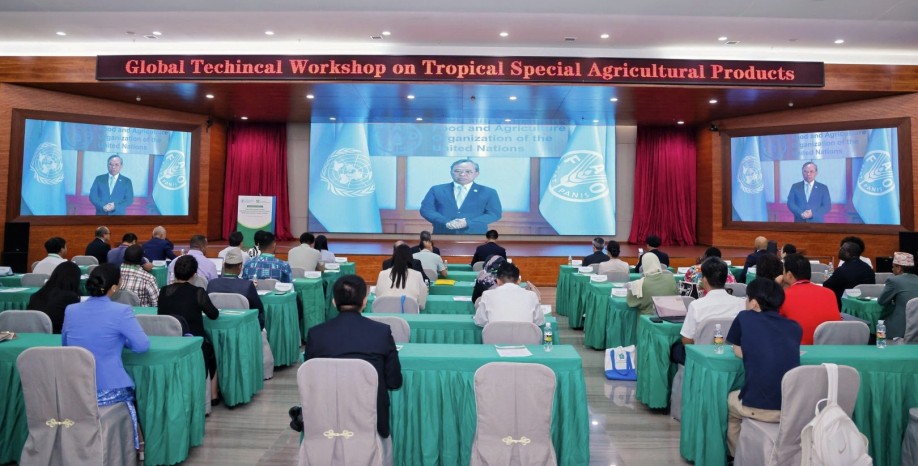
Bangkok: The Food and Agriculture Organization of the United Nations (FAO) has brought policymakers and stakeholders together for a regional policy dialogue focused on accelerating the transformation of agrifood systems across Asia and the Pacific.
The discussions come at a time when the region's food and agriculture sector is facing multiple pressures, including climate change, resource constraints, food insecurity, changing diets and growing demand for more resilient and sustainable production systems. FAO has stressed that transformation will require stronger coordination between governments, farmers, businesses, researchers and other stakeholders.
The dialogue focuses on how regional priorities can be translated into practical policies, investments and programmes.
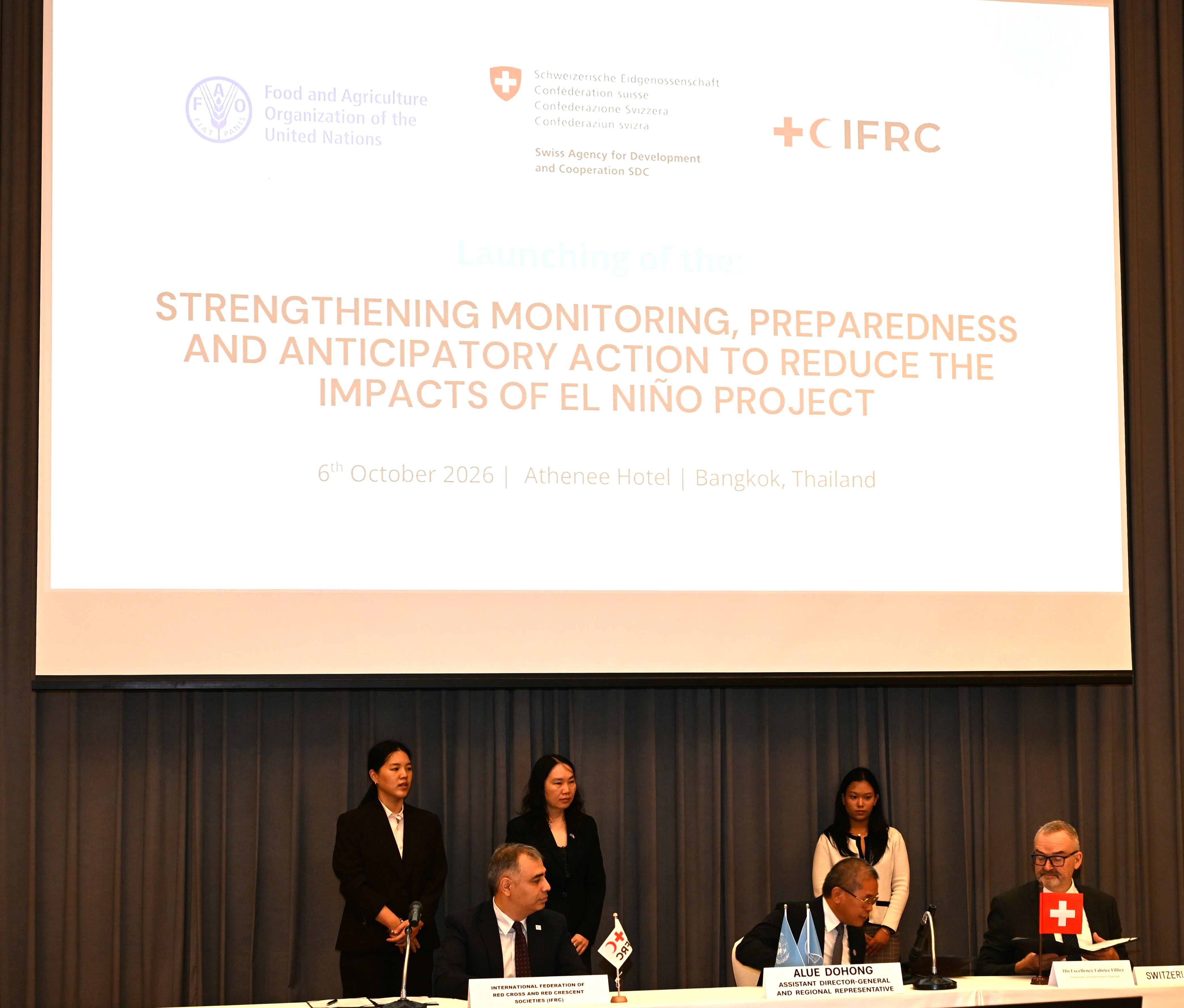
FAO's approach places greater emphasis on coordinated action across the agrifood value chain rather than treating production, nutrition, environment and markets as separate issues. The organisation has highlighted the need for stronger institutions, policy coordination, knowledge exchange and partnerships to support this transition.
For Asia-Pacific, this means bringing together the experiences of farmers, governments, researchers, development organisations and the private sector to develop solutions that can work at scale.
Technology and innovation are emerging as important components of the region's agrifood transformation.
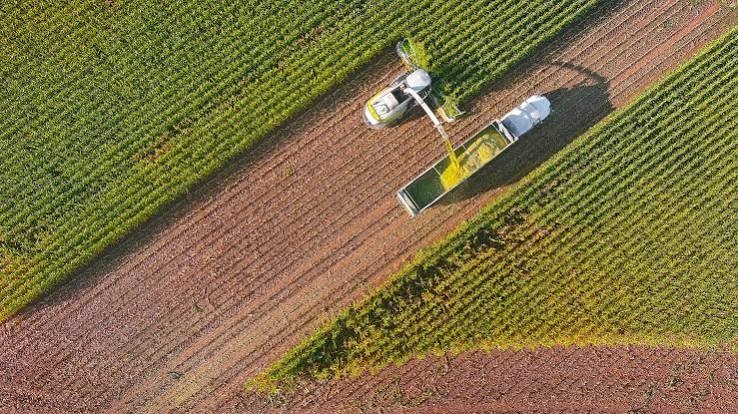
FAO's regional work includes discussions around digitalisation, sustainable mechanisation, science and innovation, investment and improved value chains. The organisation has also highlighted the need to ensure that technological progress reaches small and medium-sized agricultural enterprises and producers, rather than remaining concentrated among a small number of highly digitalised businesses.
The FAO Regional Office for Asia and the Pacific is also supporting regional platforms focused on investment, science and innovation, women and youth leadership and sustainable agricultural mechanisation.
For the region's farmers, the transformation agenda is closely linked to resilience.
Climate-related shocks, pressure on natural resources and changing market conditions are making it increasingly important to build agricultural systems that can withstand disruptions while continuing to provide food and livelihoods.
FAO's governance framework emphasises that sustainable agrifood transformation requires coordinated action at local, national, regional and global levels, along with stronger participation from farmers, researchers, businesses and policymakers.
FAO's regional approach is consequently centred on collaboration, knowledge sharing and adapting solutions to national and local circumstances.
Recent regional platforms have brought together governments, farmers, youth, academia, private-sector representatives and development partners to move from discussions towards investments and practical action.
The larger message from the policy dialogue is clear: transforming agrifood systems will require more than new farming technologies or individual programmes. It will depend on whether countries can connect policy, investment, innovation, markets and farmer participation into a more coordinated system.
For Asia-Pacific agriculture, the challenge now is to turn that regional conversation into action that reaches the farm level.




.jpeg)
.jpg)

.jpg)