 Facebook
 Linked In
 Twitter
 YouTube

Divyansh Upadhyay

PepsiCo India marked a significant milestone in its agricultural journey with the 2025 edition of Voices of Harvest, an annual platform that brings together farmers, agri-innovators, start-ups, FPOs and industry partners to celebrate progress in sustainable agriculture. The event, held this year under the banner of “Building an Inclusive Agri Future,” honoured farmers across multiple states for their achievements in sustainable crop production, water stewardship, regenerative practices and digital adoption. It also showcased how collaboration between industry and farming communities is shaping a new era of climate-resilient agriculture.
Voices of Harvest has emerged as one of PepsiCo India’s most meaningful farmer engagement platforms, highlighting success stories from its contract farming programme, which spans key crops such as potatoes and corn. Over the years, PepsiCo has positioned the platform not only as a space for recognition but as a dialogue on the future of agriculture, food systems and rural livelihoods. At the 2025 edition, company leaders emphasised the organisation’s commitment to helping Indian farmers achieve higher yields responsibly, improve income stability and build resilience to climate stress.
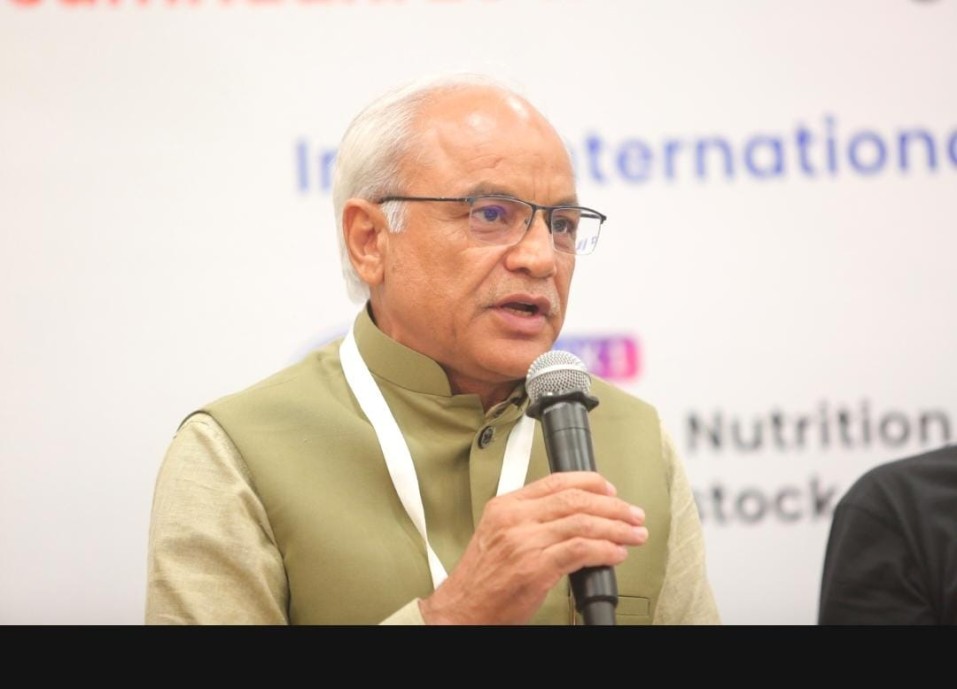
PepsiCo India’s Senior Vice President and Country Head, Jagrut Kotecha, underscored this mission during his address. He said that Voices of Harvest reflects PepsiCo’s belief that the future of food depends on empowering farmers through knowledge, technology and long-term partnership. According to him, the success of the programme rests on the strength of collaboration between the company, farmers, research institutions and value-chain partners who together make sustainable farming a reality.
A major highlight of this year’s celebration was the recognition of farmers who have pioneered regenerative farming practices—ranging from precision water use and soil-health management to crop diversification, nutrient optimisation and adoption of low-carbon agronomic techniques. PepsiCo India noted that these practices have delivered tangible results on the ground, including increased productivity, reduced input burden and improved soil vitality, making farms more resilient to drought, excess rainfall and shifting climatic cycles.
The event also spotlighted farmers who have embraced advanced digital tools such as remote-sensing advisories, AI-based pest and disease detection, soil-sensor technologies and climate-adaptive cultivation models. PepsiCo presented these farmers as examples of how traditional wisdom and modern technology can work in tandem to unlock the next phase of India’s agricultural transformation.
Start-ups and agri-innovators were also a visible presence at Voices of Harvest 2025. Through curated sessions and exhibitions, young entrepreneurs showcased solutions ranging from precision irrigation systems to biological inputs, drones for field assessment, post-harvest technologies and data-driven decision platforms. PepsiCo encouraged cross-learning between innovators and farmers, stressing that real transformation can happen only when technology is scaled responsibly and inclusively.
The company also highlighted its work with women farmers and FPOs across several states, noting that inclusive models of agriculture will only succeed when women and smallholders are given equal access to training, markets and high-quality inputs. PepsiCo reaffirmed that gender-inclusive programming remains a core part of its agricultural agenda.
As India’s farming sector faces the realities of water scarcity, climate variability, rising costs and market volatility, platforms like Voices of Harvest gain special relevance. By celebrating real-life examples of progress while fostering critical conversations on the future, PepsiCo India seeks to establish a template for how private sector partnerships can meaningfully contribute to national agricultural priorities.
With the conclusion of Voices of Harvest 2025, PepsiCo India reiterated its commitment to scaling regenerative agriculture across its sourcing network, strengthening farmer incomes and investing in innovations that enhance sustainability from seed to shelf. The message from the event was clear: the future of Indian agriculture must be more resilient, more climate-smart and more inclusive—and that future will be built through collaboration with the farmers who stand at the centre of the food system.


.png)






.jpg)