Facebook
 Linked In
 Twitter
 YouTube

R K Sapra

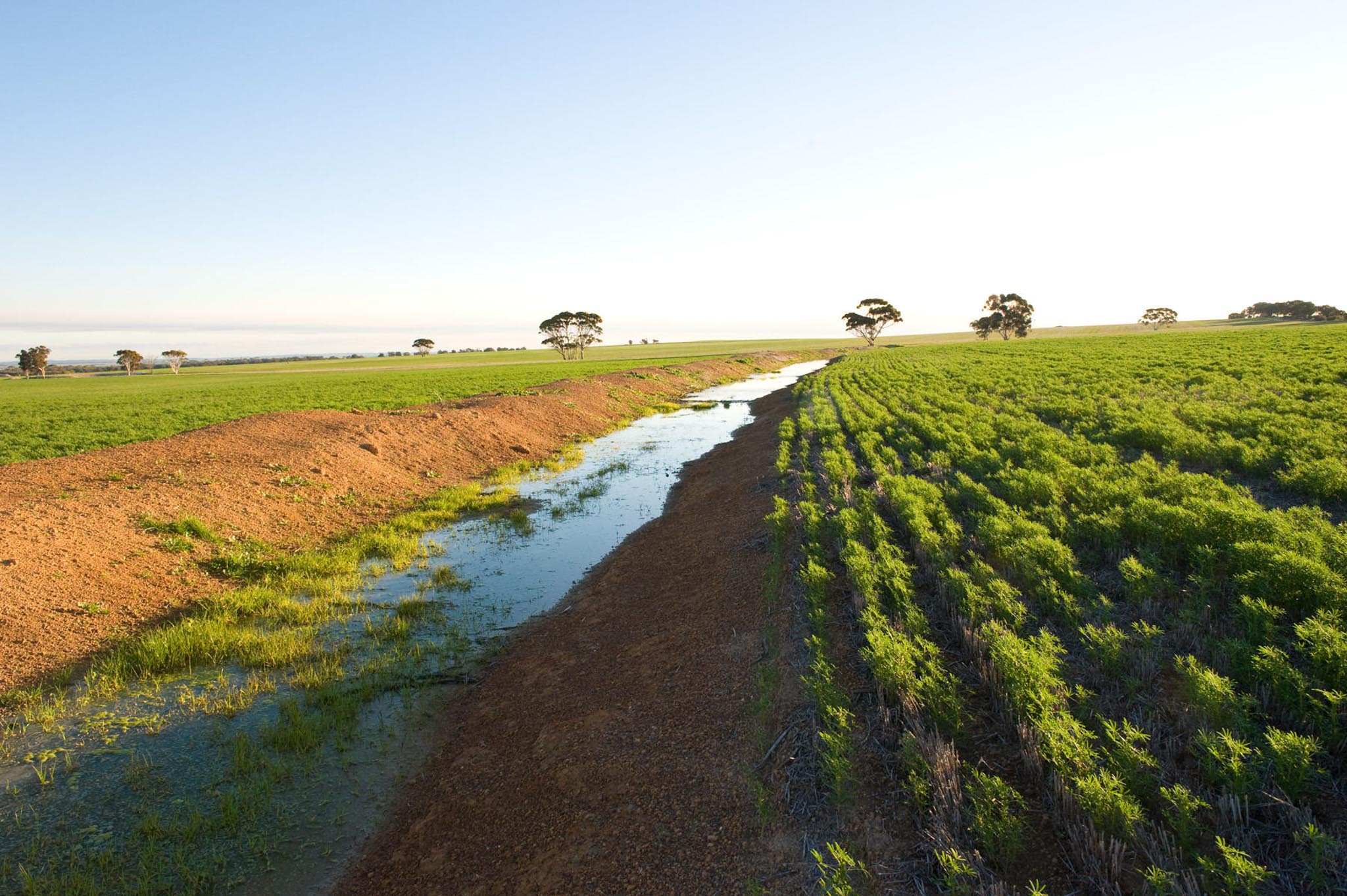
The Haryana Forest Department initiated the reclamation of waterlogged farmlands through the bio-drainage scheme in 1998. The outcomes of this scheme were exceptional, as it not only reclaimed waterlogged areas and made them suitable for cultivation, but also provided additional income to farmers through cultivation of clonal eucalyptus on bunds, while contributing to environmental conservation through carbon sequestration. Over time, however, the implementation of this scheme under plantation programmes has declined. This decline has adversely affected the farmers whose farmlands are waterlogged and has led to the neglect of an environmentally sustainable alternative. As per press reports, a restriction on the planting of clonal eucalyptus has been enforced by the State Government recently. Since clonal eucalyptus is the principal species used for raising bio-drainage plantations, any decision to discontinue its planting is likely to seriously affect this programme.
According to Haryana Water Resources Atlas-2025, an area of 7.24 lakh acres was affected with the problem of waterlogging and salinity in the State during June 2023. The problem of waterlogging is quite severe in Rohtak, Jhajjar, Hisar, Jind, Sonipat, Ambala and Fatehabad districts. Recently, the Hon’ble Chief Minister of Haryana has raised the issue of increasing waterlogged areas in the state during pre-budget discussions with the Hon’ble Finance Minister of India and demanded special financial assistance to handle this problem. In this context, it is suggested that the bio-drainage plantations using clonal eucalyptus may be raised in the above districts as its wood remains the most sought-after raw material for wood-based industries. At present, a substantial quantity of timber that could otherwise be produced locally is being imported, resulting in income losses for the farmers, reduced employment opportunities for rural labour, and revenue loss for the State Government, thereby adversely affecting the entire value chain.
It is noteworthy that eucalyptus is among the most widely planted tree genera globally, comprising more than 500 species. In Haryana, farmers have cultivated eucalyptus on their farmlands for over five decades without significant complaints regarding its adverse impacts. On the contrary, it has
provided higher returns compared to agricultural crops. The eucalyptus is a highly adaptable species that regulates its water requirement according to site conditions. In waterlogged areas, its higher water uptake contributes to increased wood production, thereby enhancing the farm income. Presently, the cultivation of clonal eucalyptus in normal soil provides returns varying from Rs 80,000 to Rs 1,00,000/acre/yr from 5-year-old plantations. In waterlogged areas, its return will depend on the density of planting as well as the salinity level in farmlands
Clonal eucalyptus, being a high yielding variety requires more water, but it is the most efficient user of water. Due to its faster growth, it is recommended that clonal eucalyptus planting may be banned in the districts receiving annual rainfall below 500 mm except its planting in waterlogged areas to reclaim them. Although concerns regarding the cultivation of eucalyptus have largely been resolved by farmers themselves, the matter has also been settled in its favour by the National Green Tribunal and the Punjab and Haryana High Court. Any remaining apprehensions may be conclusively addressed through the involvement of reputed research institutions such as the Forest Research Institute (FRI), Dehradun, the Central Soil Salinity Research Institute (CSSRI), Karnal, and Haryana Agricultural University (HAU), Hisar.
Based on my 40 years of professional experience, I am firmly of the view that the Budget for 2026–27 should accord a clear thrust to bio-drainage plantations in the waterlogged districts falling under the Central and Western regions of Haryana. Although Haryana has the Plywood Capital of India at Yamuna Nagar but focusing on this initiative would facilitate the diversification of panel industries such as plywood, MDF, and particle board in these neglected regions of agroforestry. Hence, this environmentally friendly intervention may not only ultimately result in the reclamation of waterlogged areas and enhancement of farmers’ incomes, but may also help in mitigation of the effects of climate change and in achieving a carbon neutral economy in Haryana.
If considered appropriate, I would welcome the opportunity to make a presentation before the competent authority, supported by relevant data and evidence, to address any concerns or misgivings.
(The writer is a retired officer of Indian Forest Service)







.png)