Facebook
 Linked In
 Twitter
 YouTube

IndiAgri Bureau
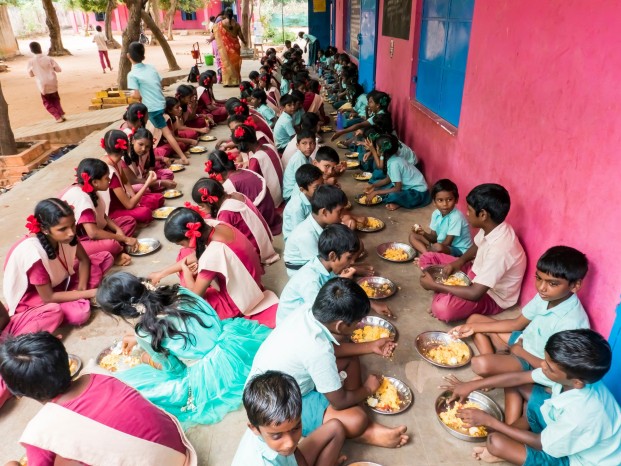
Bhopal: Regular supplementation with soy-based food products significantly improved the nutritional status of malnourished children in parts of Madhya Pradesh, according to a case study by the ICAR-Central Institute of Agricultural Engineering (ICAR-CIAE), Bhopal.
The intervention was carried out in Hoshangabad district, where malnutrition among children had remained a major concern. According to the National Family Health Survey (NFHS-4), 38.4 percent of children under five years were stunted, while Hoshangabad had reported a high incidence of child malnutrition, with around 15 percent of children suffering from severe malnutrition.
To address the issue, ICAR-CIAE partnered with the Integrated Child Development Scheme (ICDS), Atal Bal Palaks and Self Help Groups (SHGs) to promote locally produced soy-based foods such as soysattu, soynuts and soy biscuits. SHG members were trained to prepare these products, which were supplied to malnourished children through Anganwadi centres.
Children received a daily supplement of 20 grams of soysattu or soynuts, or 25 grams of soy biscuits over a period of 12 months.
The study reported encouraging improvements across three development blocks.
In Pipariya block, 620 Grade-II malnourished children were monitored. Around 46 percent gained weight after regular consumption of soy products, while 35.6 percent improved from Grade-II to Grade-I malnutrition. Another 5.6 percent recovered to the normal nutritional category.
In Itarsi block, where 520 Grade-II and 168 Grade-III malnourished children were covered, 91 percent of Grade-II children and 70 percent of Grade-III children gained weight during the intervention. Around five percent of Grade-II children and 2.3 percent of Grade-III children moved to the normal nutritional category.
The intervention also showed positive results in Rural Hoshangabad block, where 1,206 Grade-II and 100 severely malnourished children were included. The study found that 77.6 percent of Grade-II children gained weight and improved to Grade-I malnutrition, while 16 severely malnourished children recovered. Some children also shifted to Grade-I and normal nutritional status.
Apart from improving child nutrition, the initiative generated additional income for rural women. Self Help Groups involved in preparing soy-based food products earned supplementary income by supplying the products to Atal Bal Palaks for distribution through Anganwadi centres.
According to ICAR-CIAE, the initiative demonstrated that locally produced soy-based foods can serve as a cost-effective nutritional supplement while simultaneously creating livelihood opportunities for rural communities.


.png)