Facebook
 Linked In
 Twitter
 YouTube

Priya Singh
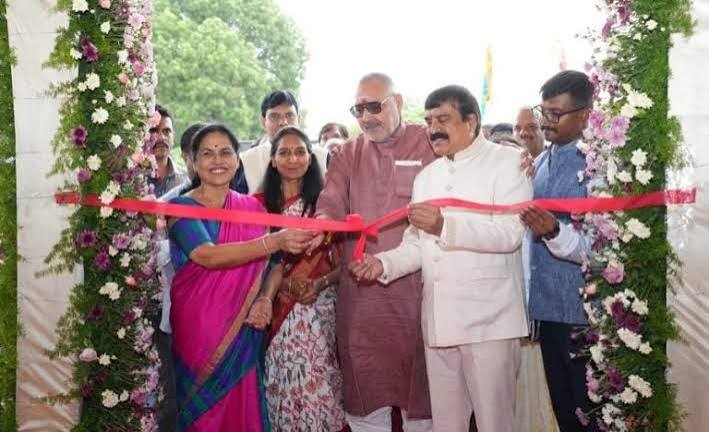
Bengaluru: India is aiming to become the world’s largest silk producer by 2028-29, with the Centre setting a target to increase domestic silk production to 60,000 metric tonnes by 2030-31.
Union Minister for Textiles Shri Giriraj Singh announced the target while addressing the 77th Foundation Day programme of the Central Silk Board (CSB) and an exhibition of silk products and technologies at the UAS-GKVK auditorium in Bengaluru.
The Minister said India’s silk production has increased from around 26,000 metric tonnes in 2014 to 42,000 metric tonnes currently. The next phase of growth, he said, will focus on improving productivity, increasing cocoon rearing cycles, strengthening the silk value chain and raising the incomes of sericulture farmers.
The government is looking at ways to improve the productivity of mulberry plantations and increase the number of silkworm rearing cycles undertaken by farmers. The objective is to raise annual farmer incomes from sericulture to around Rs 10 lakh to Rs 12 lakh, according to the Minister.
Singh also called for ‘Best Silk Farmer’ competitions at district, State and national levels to encourage greater competition and recognise farmers adopting improved practices.
He stressed the need to ensure that innovations developed by scientists, improved hybrid varieties and modern machinery reach farmers more effectively.
The Central Silk Board and associated institutions are also looking at greater use of technology to improve silk production and quality.
Sushri Padmini Singla, Joint Secretary (Silk), Ministry of Textiles and Vice Chairperson of the Central Silk Board, said high-yielding silkworm hybrids and modern machinery are being introduced as part of efforts to achieve the 60,000-tonne production target.
Technologies including Artificial Intelligence (AI), Geographic Information System (GIS) and Machine Learning (ML) are also being integrated for quality inspection and improving production capacity.
The focus is not limited to cocoon production. Strengthening the entire value chain from sericulture and cocoon production to reeling and weaving remains an important part of the government’s strategy.
Karnataka continues to hold a leading position in India’s silk production.
Union Minister of State for Micro, Small and Medium Enterprises and Labour and Employment Sushri Shobha Karandlaje said the government is focusing on infrastructure development, modern technology and high-density production systems to strengthen Karnataka’s silk sector.
The State is also looking to improve the quality of silk to meet international standards and reduce dependence on imports. Government support through subsidies and quality improvement schemes is aimed at encouraging entrepreneurs and strengthening market access for local producers.
India’s sericulture sector supports a broad rural value chain involving mulberry cultivation, silkworm rearing, cocoon production, reeling, weaving and silk-based enterprises. It is particularly important for rural livelihoods in major silk-producing States.
Farmers and weavers from Karnataka, Andhra Pradesh, Telangana and Tamil Nadu participated in the Bengaluru programme, highlighting the importance of southern India to the country’s silk economy.
India produces different varieties of silk, including mulberry, tasar, eri and muga, allowing the sector to operate across diverse agro-climatic regions.
The government is also seeking to strengthen the connection between silk production and the wider textile economy. Singh said expanding the textile market, strengthening economic security for weavers and improving the competitiveness of Indian silk in international markets would remain key priorities.
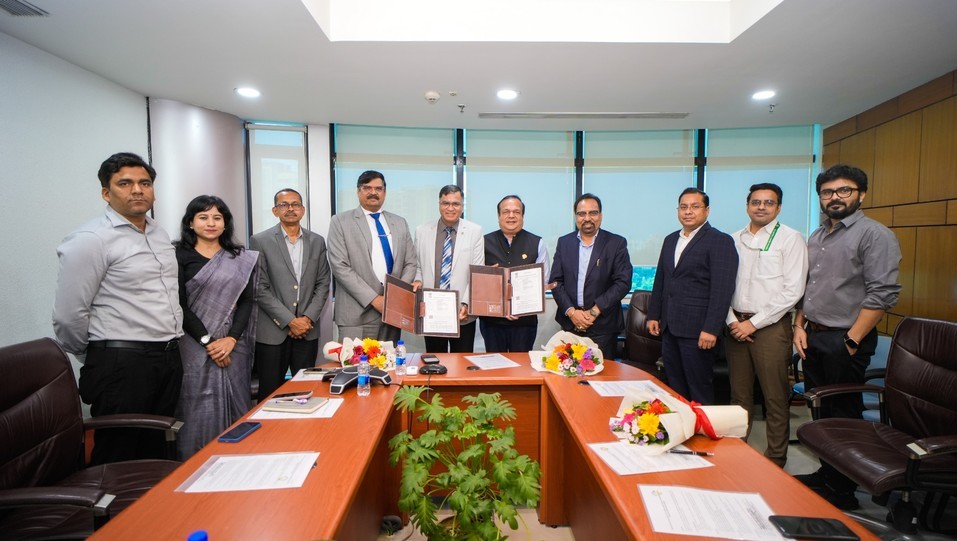
The 77th Foundation Day programme also saw the signing of Memorandums of Understanding (MoUs) between the Central Silk Board and various organisations. Appointment letters were distributed to 28 scientists, while awards were presented to outstanding employees and stakeholders.
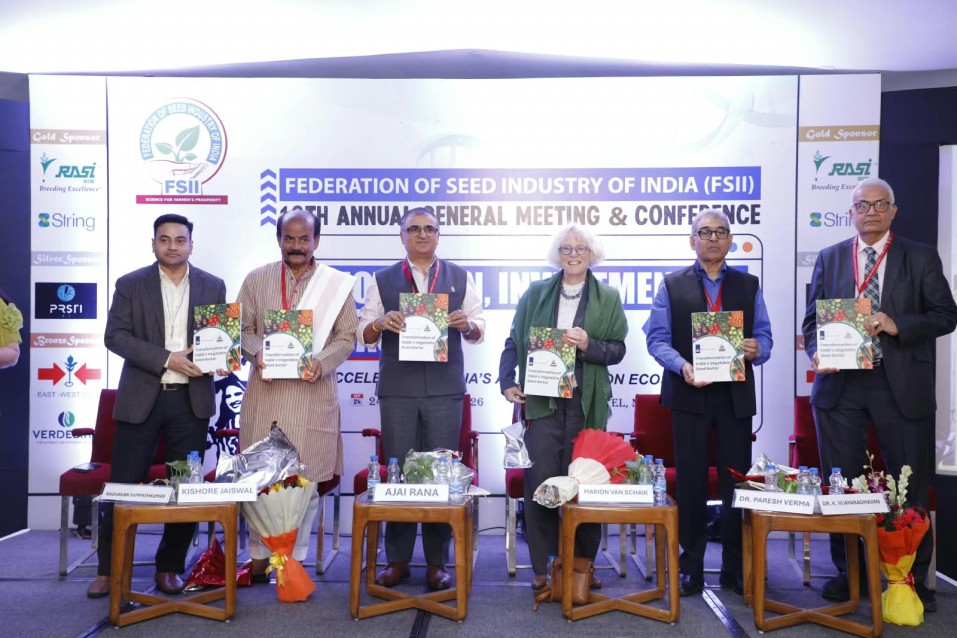
The Board also released publications and periodicals during the programme.
With India targeting 60,000 metric tonnes of silk production by 2030-31, the next few years will be important for improving farm-level productivity, technology adoption, quality and market access across the sericulture value chain.


.png)