Facebook
 Linked In
 Twitter
 YouTube

Priya Singh
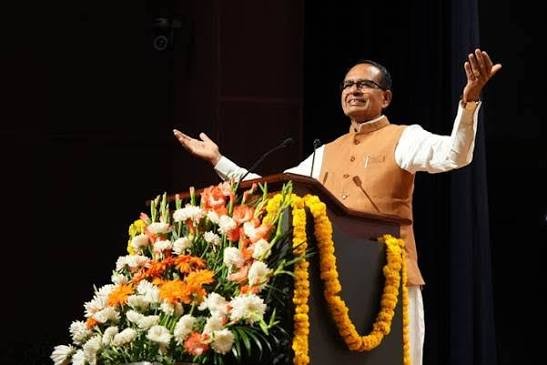
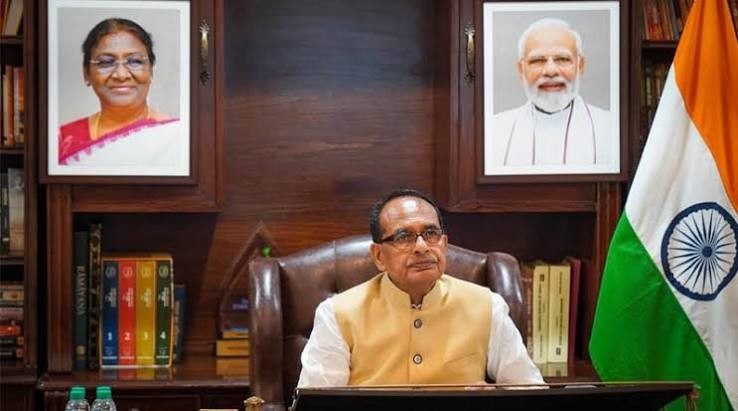
New Delhi: Agriculture and rural development are being positioned at the centre of India’s broader development journey, with Union Agriculture & Farmers Welfare and Rural Development Minister Shri Shivraj Singh Chouhan calling for a coordinated push to make Indian agriculture more prosperous, self-reliant and globally competitive.
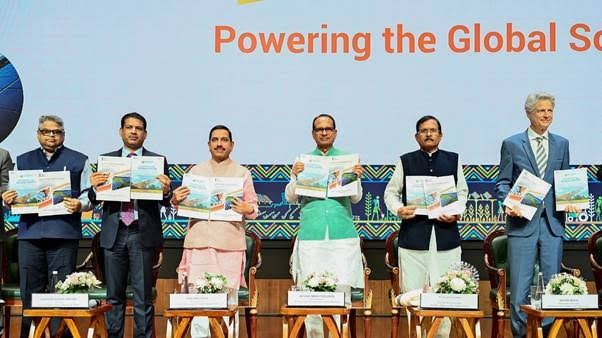
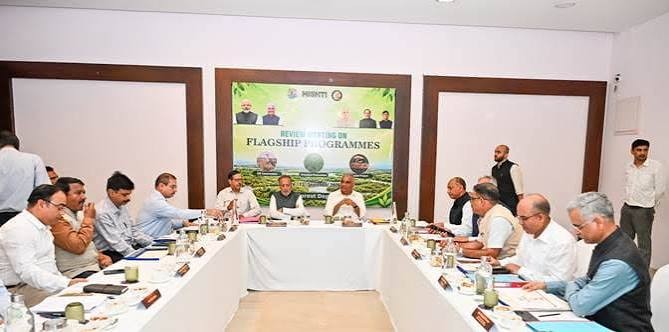
Speaking at a commitment programme organised at the C. Subramaniam Auditorium, Pusa, Chouhan said the agriculture and rural development ecosystem must work together to turn Prime Minister Narendra Modi’s ‘Shakti Ki Saptadhara’ vision into action on the ground.
The programme brought together officials, scientists, farmers, Lakhpati Didis, food processors, exporters and representatives of Farmer Producer Organisations (FPOs). A collective pledge was also administered to reaffirm their commitment towards building a developed and self-reliant India.
Chouhan said India’s agricultural strategy must go beyond increasing production. Greater attention is needed on quality, food safety, processing, packaging, branding and exports so that products from Indian farms can find stronger markets globally.
He said farmers, processors and exporters need to work together to build an efficient value chain from the farm gate to international markets.
Indian products such as spices, fruits, flowers, chillies and traditional food products have significant potential, he added. Better processing facilities, market intelligence and technical support can help farmers tap these opportunities.
The Minister called for separate agriculture roadmaps for states and districts, taking into account local soil, climate, water availability and cropping patterns.
He emphasised that crop planning should also consider demand in domestic and international markets. Institutions including ICAR, Krishi Vigyan Kendras, state governments and the Department of Agricultural Research and Education will have an important role in taking technology and scientific solutions to farmers.
Greater adoption of mechanisation, artificial intelligence, improved seeds and modern farming practices, he said, can help improve both productivity and production.
Chouhan outlined four broad priorities for agriculture: increase production, reduce cultivation costs, improve quality and ensure remunerative returns for farmers.
He also highlighted natural farming, organic farming, irrigation, water conservation, crop diversification and integrated farming as important areas for improving farm incomes.
The Minister stressed that farmers should have access to timely information on weather, markets and production so they can make better decisions.
Rural women's economic empowerment also featured prominently in the roadmap.
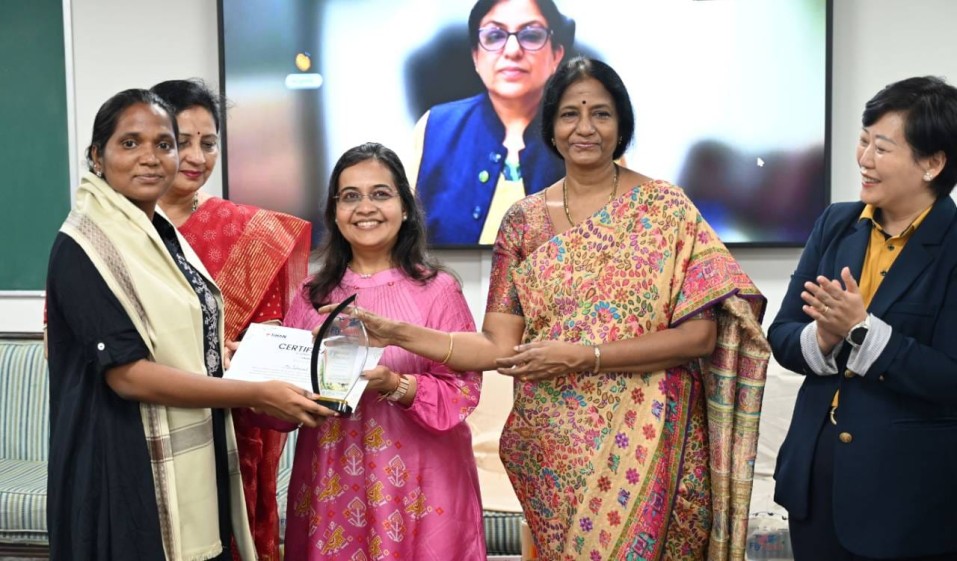
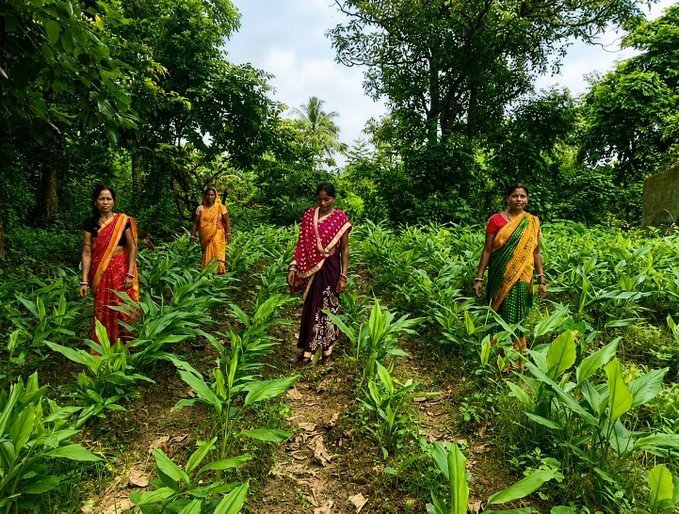
Chouhan said the target of creating three crore Lakhpati Didis has been achieved, and the next goal is to create six crore Lakhpati Didis.
He said Self-Help Groups will continue to receive support through skill development, financial assistance, entrepreneurship and market access. Initiatives such as ‘She-Marts’ and stronger branding are also expected to help rural women take products such as food items, handicrafts, Ayurvedic products and traditional goods to wider markets.
According to Chouhan, empowering rural women can strengthen not only household incomes but the wider rural economy.
The Minister said the vision of a developed India cannot be achieved without stronger and more prosperous villages.
He called for greater attention to pucca houses, roads, water conservation, employment, livelihoods, agriculture-based activities and women's empowerment.
Officials were also urged to spend more time in the field and assess how government schemes are actually reaching villages and beneficiaries. Chouhan stressed the need to align official data with ground realities.
He also highlighted water security, river rejuvenation, land conservation and rural livelihoods as areas requiring faster implementation.
Chouhan shared four principles with officials and employees: “Paanv mein chakkar, munh mein shakkar, seene mein aag aur maathe par barf.”
The message focused on staying connected with the field, maintaining a respectful approach, working with determination and remaining calm while dealing with challenges.
He urged officials to set clear targets, prepare practical roadmaps and work with dedication to achieve them.
The programme also underlined the importance of connecting agricultural research with the needs of farmers and markets.
Secretaries from the four departments presented their respective priorities covering agricultural research and technology, farm production and farmer incomes, rural livelihoods and Lakhpati Didis, as well as land and water management.
Farmers, exporters, food processors and FPO representatives also shared their experiences and suggestions during the programme.
The overall message was clear: India’s next phase of agricultural growth will depend not only on what is produced on farms, but also on how efficiently it is processed, marketed and taken to consumers in India and abroad.
Chouhan concluded by calling for a collective effort to turn the vision of a prosperous, empowered and self-reliant India into measurable outcomes for farmers, rural women and villages.