Facebook
 Linked In
 Twitter
 YouTube

Sheldon Fleming
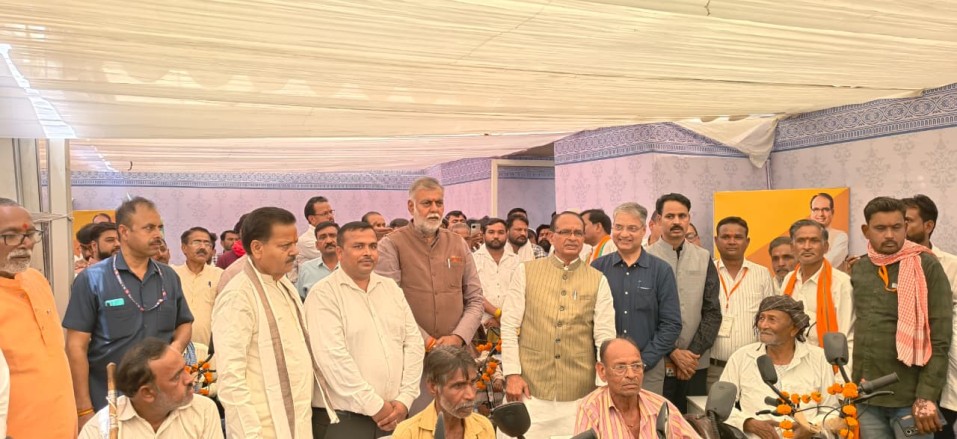
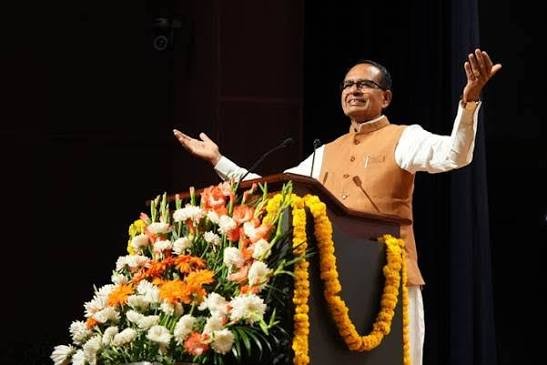
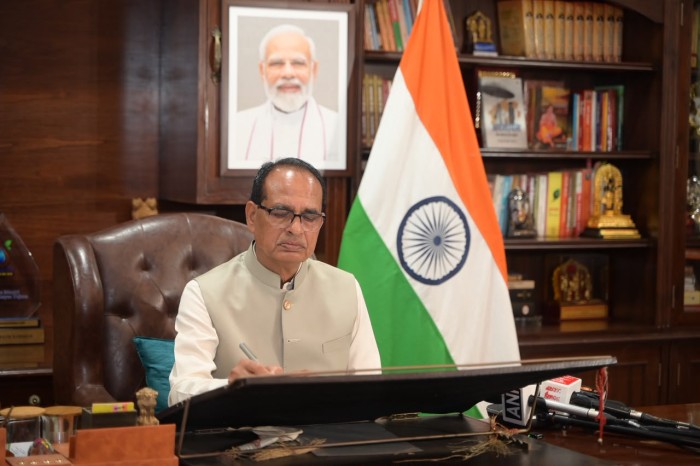
In a significant convergence of corporate social responsibility and agriculture-led inclusion, Syngenta India has initiated the distribution of 650 motorised tricycles to specially abled individuals across Madhya Pradesh, with the first batch flagged off by Union Agriculture Minister Shivraj Singh Chouhan at the Unnat Krishi Mahotsav in Raisen.
The initiative is positioned as a mobility-driven livelihood intervention, enabling beneficiaries to access economic opportunities across rural and agricultural ecosystems.


Addressing the gathering, Chouhan emphasised that empowering Divyangjan through mobility is a critical step towards dignity, inclusion and self-reliance, adding that such initiatives can enable participation in local economic activities and create sustainable livelihood pathways.
The programme goes beyond conventional CSR frameworks by linking mobility support with agricultural value chains, including last-mile connectivity, on-farm engagement and rural enterprise participation.
Vivek Sharma, officiating Managing Director of Syngenta India, highlighted that the initiative aligns with the company’s sustainability priorities, integrating social inclusion with agricultural advancement. He noted that the effort aims to strengthen resilient farming communities while enabling economic independence for marginalised groups.
Syngenta India has been actively implementing multiple programmes in Madhya Pradesh, including I RISE (rural skilling), I CLEAN (market access and awareness), and I SAFE (safe use of agri-inputs), indicating a broader strategy of combining agricultural productivity with community development.
At the Raisen exhibition, the company also showcased its portfolio of agri-solutions, focusing on farmer awareness, product access and safe usage practices.
The tricycle initiative signals an emerging model in agri-linked CSR — moving beyond welfare distribution toward integrated, livelihood-centric interventions that combine inclusion, mobility and agricultural participation.