Facebook
 Linked In
 Twitter
 YouTube

IndiAgri Bureau
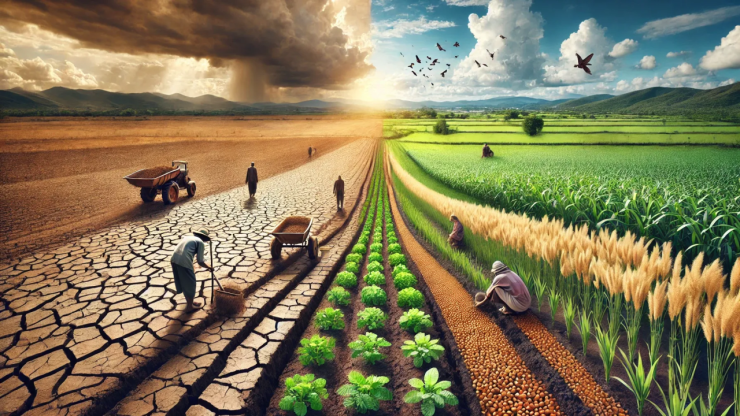
New Delhi: Long before terms such as climate-smart agriculture, regenerative farming, and sustainable food systems entered global policy discussions, Indian farmers were already practicing farming methods that worked in harmony with nature. Mixed cropping and intercropping, deeply rooted in India's agricultural traditions, are once again gaining attention as effective solutions to modern farming challenges.
Historical records, ancient agricultural texts, and archaeological evidence suggest that Indian farming systems were built around crop diversity rather than monoculture. Farmers cultivated multiple crops together to improve soil fertility, reduce risks from erratic weather, manage pests naturally, and ensure food security.
Ancient texts such as Krishi Parashara, believed to date back more than two millennia, describe farming practices based on seasonal cycles, soil conditions, and crop combinations. Similarly, Vrikshayurveda documented methods of soil management and organic nutrient preparation, highlighting an advanced understanding of ecological farming principles.
Archaeological findings from the Indus Valley Civilization also point towards diversified cropping systems. Evidence from Harappa and Mohenjo-daro indicates the cultivation of cereals, pulses, oilseeds, and millets in integrated farming landscapes supported by irrigation and grain storage infrastructure.
Across different regions of India, local communities developed farming systems suited to their environment. In the Himalayan region, terrace farming and mixed cultivation helped conserve soil and water. In Rajasthan, traditional water-harvesting systems supported crop diversity even in arid conditions. Coastal Kerala’s Pokkali farming combined rice cultivation with fish and prawn farming, creating a naturally balanced ecosystem.
Experts say many of these traditional practices hold significant relevance today as agriculture faces increasing pressure from climate change, declining soil health, and water scarcity.
Mixed cropping and intercropping improve resource use efficiency by allowing different crops to share sunlight, nutrients, and moisture more effectively. Leguminous crops, often grown alongside cereals, naturally enrich soil nitrogen levels, reducing dependence on chemical fertilizers. Crop diversity also lowers the risk of complete crop failure and helps suppress pest and disease outbreaks.
Recent concerns over soil degradation and groundwater depletion have renewed interest in indigenous farming knowledge. Agricultural scientists and policymakers increasingly view traditional agroecological practices as valuable tools for building resilient farming systems.
Several government initiatives promoting natural farming, organic agriculture, and climate-resilient cultivation reflect this growing recognition. However, experts believe a systematic effort is needed to document, preserve, and scientifically evaluate indigenous agricultural knowledge that survives within farming communities across the country.
Researchers have also called for the creation of a national repository of traditional farming practices. Such a database could connect historical agricultural wisdom with modern scientific research, helping farmers adopt sustainable solutions tailored to local ecological conditions.
As India works towards ensuring food security while protecting natural resources, the country's centuries-old experience with mixed cropping and intercropping may offer important lessons for the future. Rather than viewing traditional knowledge and modern science as separate paths, experts suggest that combining both could help create a more sustainable and resilient agricultural system.