Facebook
 Linked In
 Twitter
 YouTube

IndiAgri Bureau
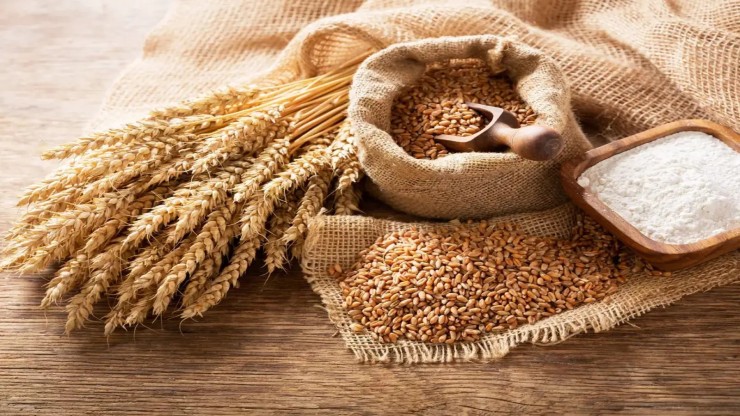
New Delhi: India will have to increase its foodgrain production to nearly 450 million tonnes by 2047 to meet the food and nutritional needs of its growing population, Agriculture Secretary Devesh Chaturvedi said on Wednesday.
Addressing a national conference on Indian agriculture in New Delhi, Chaturvedi said the country’s agriculture sector is entering a critical phase where productivity growth, sustainability, and climate resilience will determine future food security.
India currently produces around 330 million tonnes of foodgrains annually. However, with the population expected to rise sharply by 2047, officials believe production levels will need a significant push over the next two decades.
The agriculture secretary said future growth cannot rely only on expanding cultivation area, as land availability is shrinking due to urbanisation and industrial expansion. Instead, the focus must shift towards improving crop productivity through technology, scientific farming, quality seeds, mechanisation, and better water management.
He highlighted that climate change has emerged as one of the biggest risks for Indian agriculture, with irregular rainfall, rising temperatures, and extreme weather events already impacting crop yields in many states.
According to Chaturvedi, India must strengthen climate-resilient farming systems and encourage sustainable agricultural practices to maintain stable production levels in the coming years.
He also stressed the need for stronger partnerships between agricultural scientists, research institutions, policymakers, agri startups, and farmers to accelerate innovation in the sector.
The secretary said digital agriculture, artificial intelligence, precision farming, and data-driven advisory systems are expected to play a major role in improving productivity and reducing input costs for farmers.
Alongside foodgrain production, the government is also focusing on horticulture, pulses, oilseeds, livestock, fisheries, and other allied sectors to ensure balanced agricultural growth and improve farmer incomes.
Officials at the conference noted that despite India becoming one of the world’s largest food producers, challenges such as fragmented land holdings, declining soil health, groundwater depletion, and rising production costs continue to affect the farm sector.
Experts also underlined the importance of efficient irrigation systems and crop diversification to improve long-term sustainability in Indian agriculture.
The government has been promoting natural farming, precision agriculture, and sustainable resource management as part of its broader strategy for achieving food security while protecting environmental resources.
India’s agriculture sector remains a major contributor to employment and rural livelihoods, supporting nearly half of the country’s population directly or indirectly.