Facebook
 Linked In
 Twitter
 YouTube

IndiAgri Bureau
Hong Kong:
A new scientific investigation has revealed how Flavobacterium columnare, the bacterium responsible for the devastating Columnaris disease in fish, can survive for extended periods without nutrients and rapidly regain activity when environmental conditions improve. The findings could help aquaculture producers strengthen disease prevention and biosecurity measures.
According to a report published by the Global Seafood Alliance's Responsible Seafood Advocate, researchers from the City University of Hong Kong studied the survival mechanisms of Flavobacterium columnare, a pathogen known to cause significant losses in freshwater aquaculture worldwide.
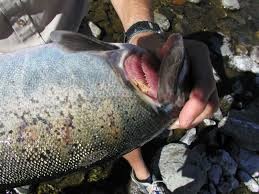
Columnaris disease affects several commercially important fish species, including tilapia, catfish, carp, trout and salmon. The disease can cause skin lesions, fin erosion, gill damage and high mortality rates, resulting in substantial economic losses for fish farmers.
The study found that the pathogen does not rely on permanent genetic mutations to survive long periods of starvation. Instead, it uses reversible epigenetic modifications, biochemical changes that regulate gene activity without altering the underlying DNA sequence.
Researchers maintained bacterial cultures in nutrient-free water for ten months at different temperatures. Advanced Nanopore sequencing technology revealed that the bacterium's genome remained largely unchanged throughout the starvation period. However, significant shifts were observed in DNA methylation patterns, a key epigenetic mechanism that helps organisms respond to environmental stress.
The results suggest that F. columnare can temporarily modify gene activity to conserve energy and withstand harsh conditions. Once nutrients become available again, the bacteria can reactivate and potentially resume infection cycles.
The discovery offers important insights into why Columnaris disease outbreaks can reappear even after ponds or production systems have been emptied, cleaned or left fallow.
Scientists noted that the pathogen can persist in water, sediments and farm environments by entering a low-activity survival state rather than disappearing completely. This ability may allow bacteria to remain viable between production cycles and infect new fish stocks when conditions become favorable.
The study also observed temperature-related changes in bacterial behavior, supporting long-standing observations that Columnaris outbreaks tend to be more severe in warmer water conditions.
Experts believe the findings could help the aquaculture sector develop more effective disease management strategies. Future applications may include improved monitoring tools to identify dormant but viable bacterial populations, enhanced disinfection protocols and management practices designed to disrupt the pathogen's survival mechanisms.
Researchers emphasized that maintaining good water quality, reducing stress in cultured fish, controlling stocking densities and following strict biosecurity practices remain essential for minimizing disease risks.
Columnaris disease is regarded as one of the most widespread bacterial diseases affecting freshwater aquaculture. Previous research has shown that Flavobacterium columnare can survive in aquatic environments for extended periods and may persist in biofilms attached to surfaces within production systems.
The latest findings provide fresh evidence that the bacterium possesses sophisticated survival strategies, helping explain the recurring nature of disease outbreaks on fish farms around the world.
Source: Global Seafood Alliance