Facebook
 Linked In
 Twitter
 YouTube

Divyansh Upadhyay
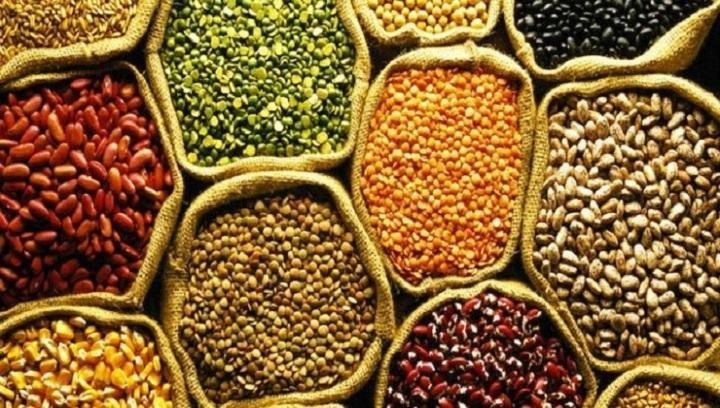
The release of the Draft Seeds Bill 2025 has been welcomed with optimism by the private seed sector and industry stakeholders as a crucial step toward modernising India’s seed regulatory framework. The Federation of Seed Industry of India (FSII), representing research-based seed companies, hailed the draft as a timely and needed overhaul of the decades-old laws governing seed quality, certification and trade. According to FSII Chairman Ajai Rana, the draft “is a timely and much-needed step toward modernising India’s seed regulatory framework. FSII welcomes the consultative approach, as replacing the Seeds Act, 1966, and the Seeds (Control) Order, 1983 has been long pending. An initial reading of the draft indicates the introduction of a recognition system for research-based companies and enhanced ease of doing business. These measures will help streamline the sector while ensuring strong safeguards against serious violations.”
Industry players see several key advantages in the draft bill’s proposals. They highlight the recognition of research-based companies as a mechanism to foster innovation and new variety development, while the emphasis on “ease of doing business” is expected to reduce delays in variety registration and seed movement across states. For an industry that increasingly serves both domestic and export markets, the clarity and predictability of regulation are seen as essential for long-term investments and for India to maintain competitiveness globally. The private seed sector, which now contributes a significant share of the national seed market, views the draft as aligning India’s regulatory framework with global standards and unlocking potential for higher value-addition, new hybrid and biotech varieties, and stronger domestic R&D.
The draft bill’s release comes against a backdrop of significant changes in Indian agriculture. With rising input costs, increasing demand for high-quality seeds, a pressing need for climate-resilient varieties and growing export ambitions, seed regulation is seen as a foundational element. Industry representatives argue that more efficient rule-setting, streamlined certification, better traceability and strengthened enforcement will help address long-standing issues such as poor seed quality, regional variation in regulation and the time-lag in introduction of new seed varieties. The modernisation of seed governance is thus welcomed as one of the key enablers for a future-ready agricultural value chain.
At the same time, FSII emphasised that the consultative process remains critical. The industry body noted that while the draft contains encouraging signs, the final impact will depend on how key provisions are framed—especially the definitions of farmer-saved seed, seed liability mechanisms, import regulation, dealer registration and enforcement. FSII has indicated it will submit detailed comments by the consultation deadline, underscoring its intent to engage actively in the drafting process. According to Ajai Rana, “[FSII] is examining the draft in detail and will officially submit its comments by the given deadline.”
In the broader context, the seed sector’s positive response to the draft bill signals a shift in India’s agricultural ecosystem—one where policy reform, private innovation and farmer access are increasingly seen as interconnected. By creating a regulatory environment that supports breeding, quality, distribution and farmers’ choices, the draft bill has the potential to catalyse a transformation in how seeds are developed, certified and supplied. For farmers, improved seed quality and availability can lead to higher yields, better input efficiency and stronger resilience to climatic stresses. For industry, regulatory clarity offers a platform for investment, research and global integration.
While the industry’s welcome is notable, the final legislation still faces the task of balancing competing interests—ensuring both dynamic innovation and strong protections for farmers. How the government incorporates feedback, addresses concerns around equity, affordability and local seed systems, and phases implementation will determine whether the draft message of modernisation translates into real-world impact. For now, the positive reception from the seed industry underscores broad recognition that India’s seed regulation landscape was due for reform—and that the Draft Seeds Bill 2025 may represent the beginning of a new chapter in the nation’s agricultural journey.